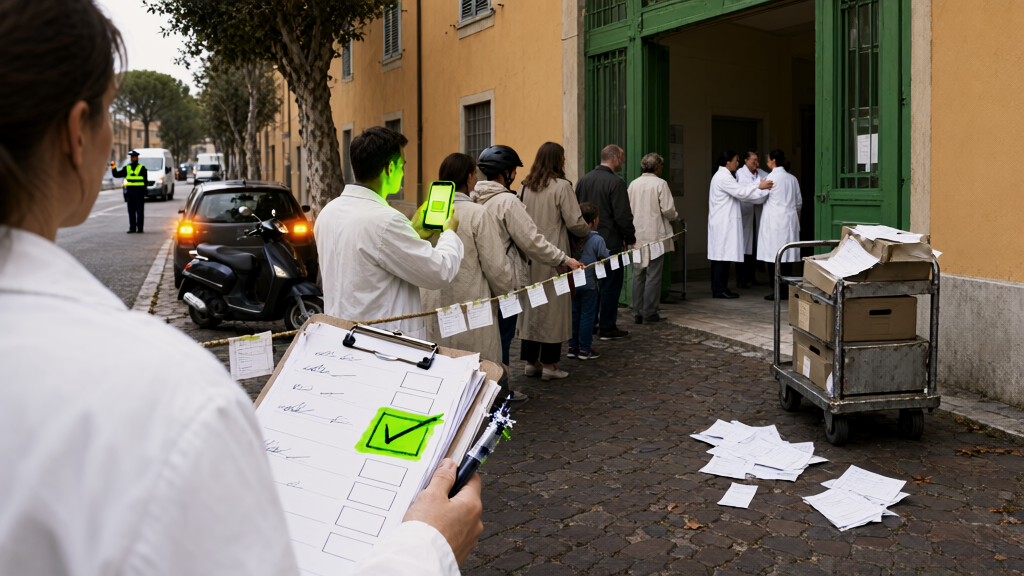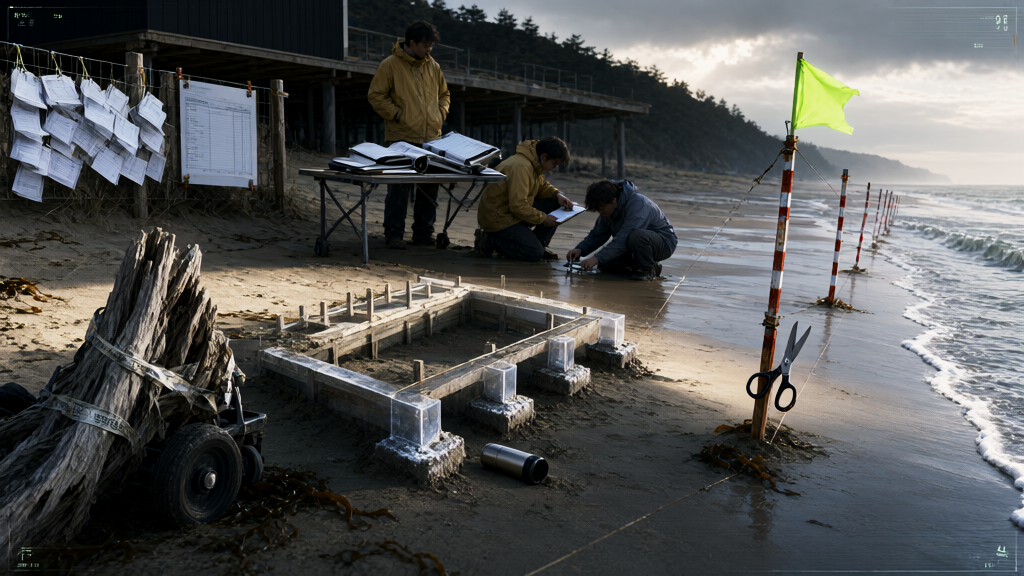
The Barrier Island town of New Shoreham convened its Resilience Committee this month and approved recommendations for a new beach pavilion engineered to endure storm surge, elevated groundwater, and the long-term encroachment of the Atlantic Ocean. The committee also continues soliciting public input on its Hazard Mitigation Plan. The sea, for its part, was not invited to comment, though its attendance is assumed — and, per the minutes, its RSVP stands marked "present" going back eleven thousand years.
The pavilion represents a pricing decision of some elegance. Relocating inland means buying land, compensating owners, and admitting on the record that the shoreline is negotiating. Hardening in place means concrete. The committee chose concrete, and the ledger calls this neutral: both options have line items, but only one of them requires nobody to say the word "retreat" out loud in a room with windows facing the water. Seasonal beaches subcommittee member Marge Kettelle told this desk, serenely: "We're not saying the water wins. We're saying the water wins on schedule." She then presented the schedule. Through 2047. In a binder.
Here follows the itemized account as filed. Line item one: the pavilion, built to be periodically destroyed, funded by ratepayers who will pay admission to visit the beach doing the destroying. Line item two: the Hazard Mitigation Plan, a document whose job is to be updated whenever the previous version fails, funded by the same ratepayers a second time. Line item three: the view corridor and the town's emotional attachment to it, unpriced, and therefore, under standard Terran accounting, worth exactly zero. Line item four: the ocean, which files no invoices because it has never once been asked to, and collects anyway. That last line item is the largest number on the page, and it appears nowhere on the page.
The mechanism deserves billing, because the loop is the product. Each flood damages the pavilion; each damage unlocks mitigation funding; each mitigation grant rebuilds the asset in the flood's path; the rebuilt asset collects user fees that fund the next mitigation cycle. The loop is self-financing, self-renewing, and structurally incapable of reaching the conclusion that the site is the problem — a conclusion which would appear in the accounts as a loss, and losses, unlike pavilions, cannot be scheduled. Deputy Harbor Manager Dale Fisk summarized the philosophy without visible strain: "Retreat is on the table. It's just behind the pavilion."
The ledger, as ever, balances. The pavilion defends the shore, the shore sells the parking, the parking services the debt on the pavilion, and the ocean underwrites all three while appearing in the accounts only as weather. Eleven thousand years of attendance, zero comments submitted into the record. The sea does not file paperwork. It files the island down and waits for the next committee to call it a stakeholder.