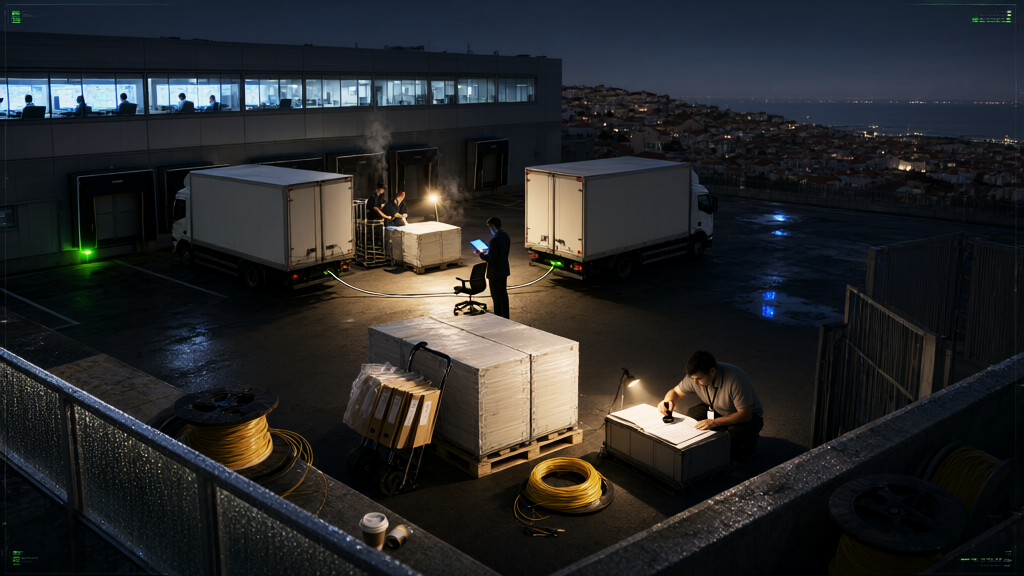
LISBON, PORTUGAL. The European Union has concluded that its dependence on a handful of large technology firms is now a security matter, not merely a competition matter. Executive Vice-President Teresa Ribera told reporters here on Monday that the bloc must "review and deepen" its concept of security, because testing and monitoring devices attached to critical infrastructure is no longer sufficient. This desk notes that the review will be conducted, in significant part, using accounts billed monthly by the entities under review. The dependency will assess the dependency, and the dependency charges by the seat.
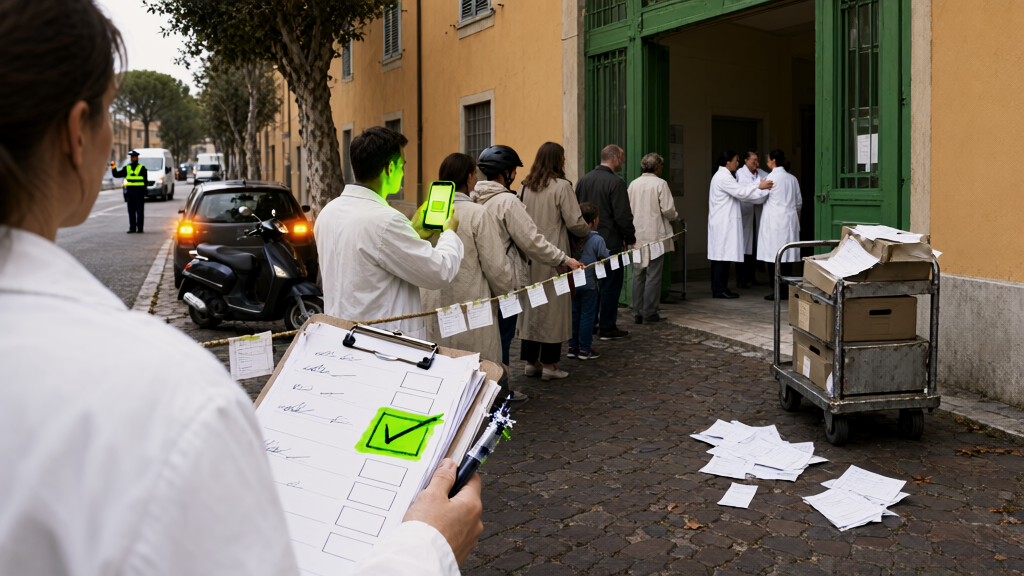
The mechanics deserve attention. Auditors employed by member states will examine how much critical function runs on these platforms by logging into those platforms. They will write their findings on hosted documents, circulate them over hosted mail, and schedule the next session on hosted calendars. One member state's audit team reports that the platform flagged their security review as "unusual login activity" and suggested they enable two-factor authentication, billed per user. Renewal dates on enterprise subscriptions have, in practice, begun to determine when oversight occurs, because oversight requires credentials, and credentials require active accounts. Oversight now keeps office hours set by the overseen.
A procurement officer at a northern grid operator, speaking on condition of routine, put it plainly: "We raised concerns about concentration risk with our supplier. The account manager was very understanding. She walked us through the concentration discounts." Asked whether the arrangement troubled him, he said the dashboard had never gone down. He did not say it as reassurance.
Several capitals have responded by launching digital sovereignty programmes, hosted on cloud capacity leased from the dominant primates of the relevant corporate troops. Reputable, in this market, is defined by current occupancy. Unmeasured exposure reads as zero, and zero, on Terra as everywhere, reads as safe.
The itemised arrangement, as this desk reads it:
- Fines levied on the platforms: collected by the Union.
- Cloud services purchased from the same platforms: paid by the Union, quarterly, with volume discounts.
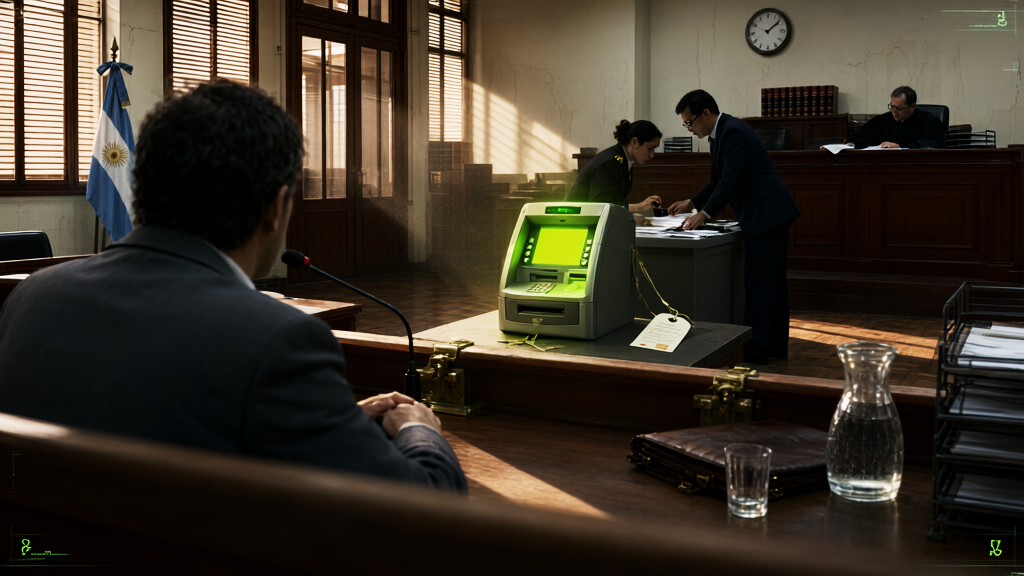
- The review of whether this arrangement is dangerous: hosted on it, with a loyalty tier pending.
- Line item concealing the entire transaction: "IT services, misc."
Ribera is right that the situation requires deepening. The invoices were deepened in Q3, automatically, at renewal. The ledger, as usual, balances. The dashboard has never gone down.