Filed by Brrn-Aah, Resources & Ledgers Desk.
BLOOMINGTON, Indiana: The city charges every household one identical fee for garbage collection, and its own forecasts carry that fee nearly 50 percent higher by 2029. This desk has audited the arithmetic. The increase lands on the resident with the lightest cart at precisely the rate it lands on the neighbor who fills his to the rim. The audit's actual finding, though, sits one layer down: the city's own trucks weigh every cart, on every route, every week. The number exists. The number is kept. The number is then escorted to a server, where it retires with full honors. Economy here is not rewarded. It is witnessed.
The bulletin:
-
Cart weights recorded weekly by municipal fleet: 100 percent of routes. Times the figure is consulted at billing: 0. The most measured statistic in town is the least used, which on Terra qualifies as infrastructure.
-
Discount earned by discarding less: $0.00. Named appeals process for the frugal: none. The remedy for a lighter cart is a heavier conscience.
-
Line item concealing the transfer: "Solid Waste Service Charge," Schedule S-7. Nothing in the phrase tells the careful that they fund the careless. That is what the phrase is for.
-
The city's reasoning, per Marcy Kellerman, Deputy Controller for Solid Waste: "A single fee is simple, and residents tell us they value simplicity. Fairness hasn't come up in a budget cycle yet, so we haven't priced it."
-
The ledger, provisional. Resident discarding twelve bags weekly: one fee. Resident discarding three: one fee, same due date, plus the satisfaction of a well-balanced bin, which appears nowhere on Schedule S-7 and is therefore, fiscally, a rumor.
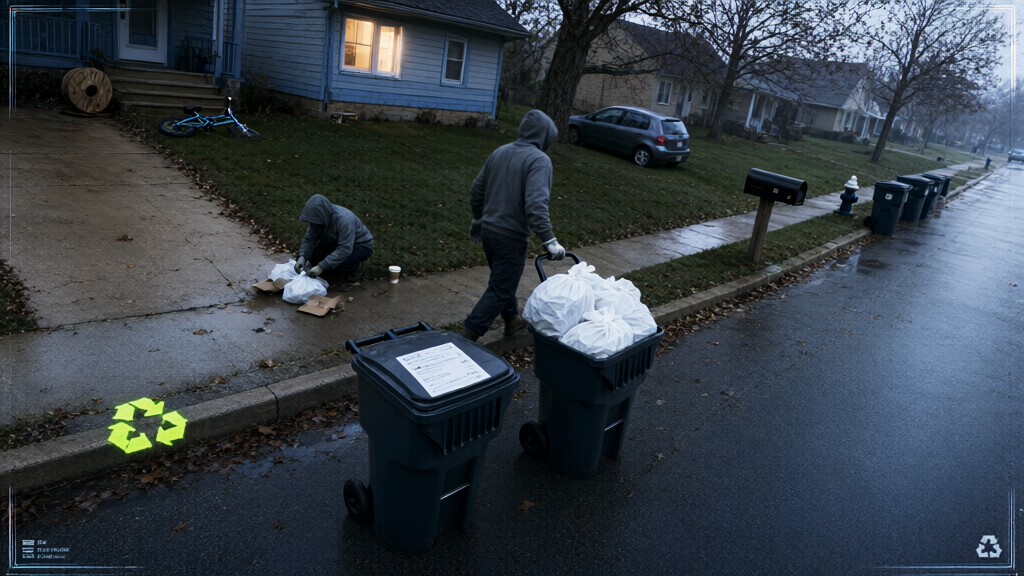
Doreen Vasquez, a homeowner who took up composting last spring, reports results: "My cart weighs half what it did. I check the bill every month anyway. At some point it stopped being about money and became more of a hobby." She is still checking. This desk estimates the aggregate overpayment of light users across the forecast window would purchase several kilograms of hardware delivered to low orbit, where nothing is discarded because there is nowhere to put it. During the site visit a cart lid caught the wind and struck this correspondent's clipboard. No charge was issued, a courtesy this desk notes was also not itemized.
By 2029 the lightest cart will pay nearly half again more for the accomplishment of costing less, and the trucks will have weighed it correctly every single week of the climb. The ledger, as usual, balances. The question is whose side of it. On Terra, restraint isn't rewarded. It's redistributed.