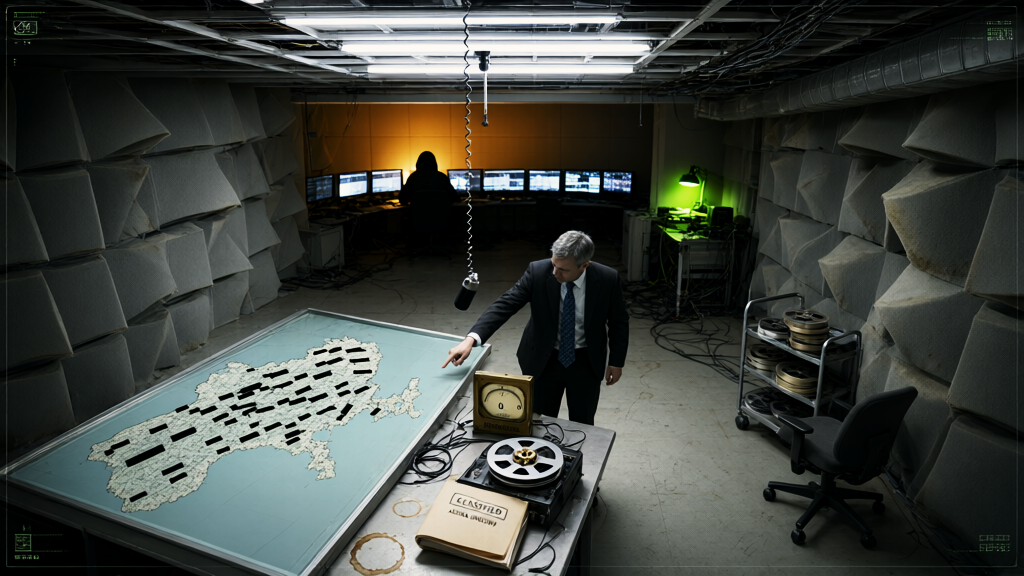
ZUUV: The specimen is called a server. Locals kept one awake for eleven years, displayed the count at every login, and treated the number as a diagnosis of health. Then a defect named NoisyTCP, dormant in the Linux networking code for those same eleven years, accepted one remote instruction and shut the machine down. My field log from the administrators' discussion thread, one hour of observation: nine uses of "stable," four of "rock solid," and, at minute thirty-one, the first apology addressed directly to the hardware. Apologies two through five went to the keyboard, the intern, the vendor, and the concept of Tuesdays.
GRALL: You count words. I count reasons. A machine untouched for eleven years is eleven years of evidence that no human hand made it worse. The record did not prevent the flaw. The record concealed it, which the locals experience as the same thing, only better lit.
ZUUV: The confessions were freely given. One thread participant, verbatim: "We don't patch production. We love production." He typed it from a machine he described as "fine, probably." A second administrator proposed remedies: "The bug only triggers on certain traffic. Option two is we ask users to stop." She ranked this below option one, which was nothing.
GRALL: Weigh the cargo before you smile. These machines hold the numbers for hospitals and for human "banks," and the operators share a life cycle with the chief executives: congratulated yearly for incidents absent, the trophy grows until the incident arrives fully grown. Eleven years is enough for a probe to reach Pluto. Here, it was enough for one message to cross a wire and persuade a computer to lie down.
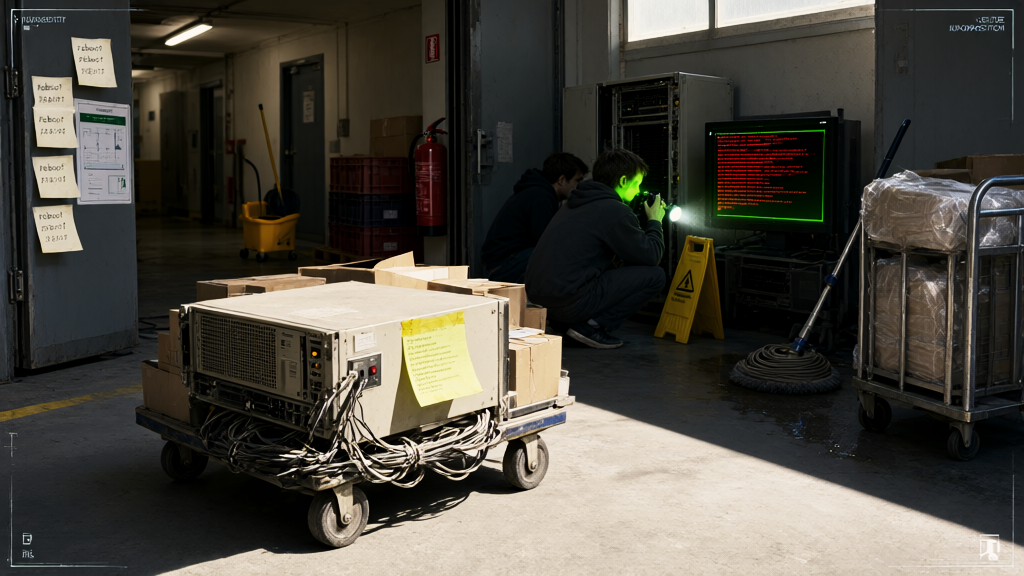
ZUUV: Reboot. The counter returned to zero. At minute one of the new record, our observation logged the sixth apology and the first fresh congratulation, delivered to the same machine, in the same tone, by the same hands. The colony has declared the experiment reset, and the machine concurs, because no one has asked it.