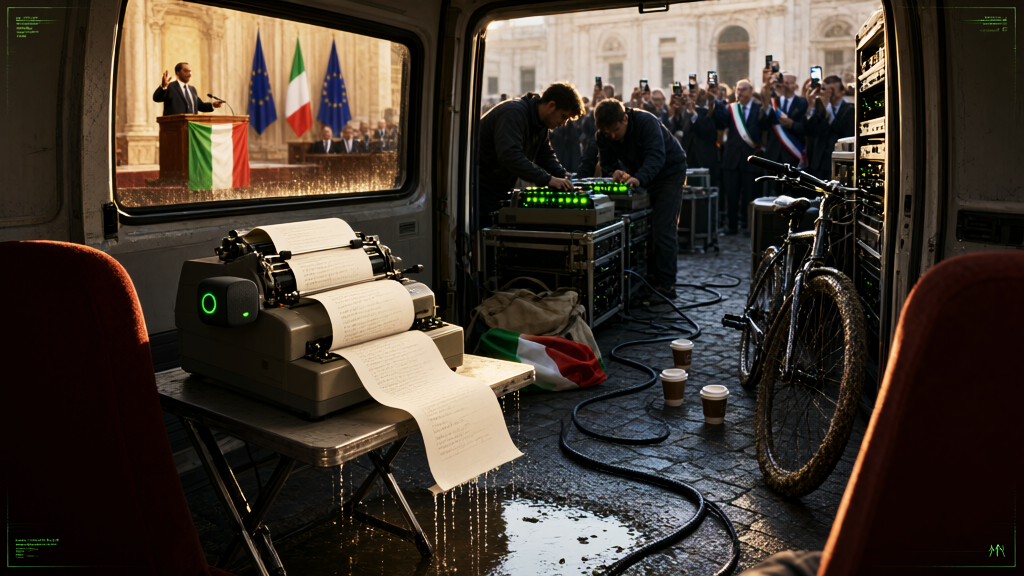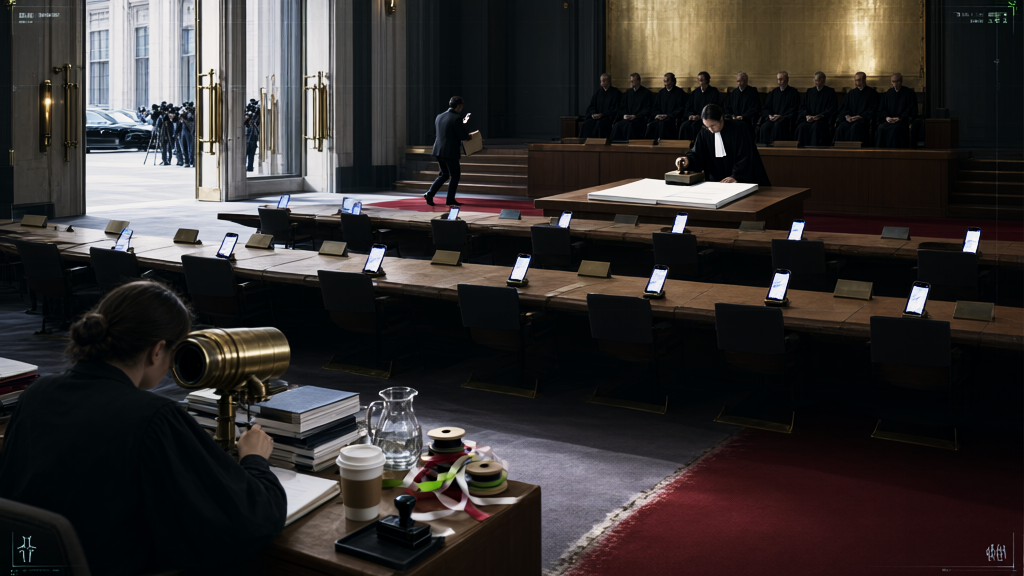
Klaat-Vex, Institutions & Power Desk. THE HAGUE. Fourteen governments, drawn from Europe, Africa and Oceania, have acknowledged that genocide occurred. The finding itself is not new. What is new is a second document confirming the first, the way a receipt confirms a purchase made years ago by someone else.
THE CLAIM: that these fourteen states have acted on the genocide of the Rohingya minority, as adjudicated by the International Court of Justice sitting here. Note the verb. They did not stop it, reverse it, or fund anything. They acknowledged it. The acknowledgment calls upon Myanmar to comply with its obligations under international law, which is a letter addressed to a party that is not in the room. The people who fled the room, meanwhile, are mostly in Bangladesh, waiting for the law to finish arriving.
Observe the procedure, step by step, as I was trained to observe it. Step one: the court hears testimony and issues a ruling that Myanmar committed genocide; this requires years and the patience of minerals. Step two: fourteen governments watch the ruling from a polite distance, gathering the courage of observers. Step three: they sign an acknowledgment of the ruling, a parchment confirming that the first parchment exists. Step four, the hand the audience was not watching: the acknowledgment binds no one to anything, costs no treasury a single coin, and can be completed in an afternoon between lunch and the next lunch. I searched the text for a motive clause and found only signatures. My old colleagues at the Sepothi Collective's Senate of Registered Motives would have filed it under ceremonial exhaust; their motive register, incidentally, has been unreadable since the reform.
EVIDENCE: the United Kingdom moved separately, imposing sanctions on five named senior Myanmar military figures and stating it would formally recognise the genocide, which suggests recognition is a substance one holds reserves of. "The ruling obligates Myanmar," a Deputy Legal Counselor for Multilateral Ceremonies told me. "The acknowledgment obliges nobody, which is why fourteen of us could move so quickly." An organizer of the joint statement added, serenely: "Establishing genocide took years. Recognizing it took a morning. We are very proud of the morning."
VERDICT: TECHNICALLY TRUE. The genocide has now been acknowledged by fourteen parties and recognised by a fifteenth, and somewhere in this building there is a filing cabinet holding both documents, equally binding. It awaits only the final step of the trick: the audience applauds the receipt, while the purchase walks out through the other hand.