Filed by Brrn-Aah, Resources & Ledgers Desk.
SAN FRANCISCO, TERRA. A local journalist this week returned a pocket computer to active duty by typing one command into it. The device had spent fourteen months in a kitchen drawer. Nothing was broken. No parts were needed, no payment, no expertise. What it lacked, and what the command supplied, was permission.
The mechanism is called depreciation. When a manufacturer stops issuing software updates, the device is recorded as expired, regardless of what the device is doing, which in most cases is working. Death by calendar: the ledger declares it, the hardware declines to notice, and the species sides with the ledger. "The phone didn't fail," said Terrence Halloway, whom we engaged as a Device Lifecycle Consultant. "It turned three. On Terra those are apparently different events."
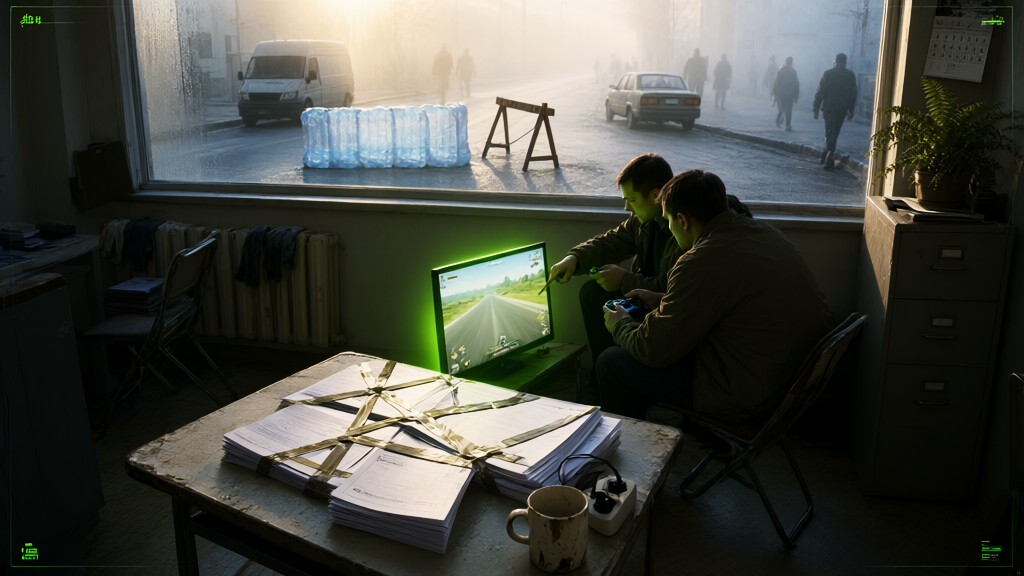
The remedy, a free and open-source program called PhoneBox, converts the retired screen into a live dashboard: time, weather, messages, ambient status. Installation is one line typed into a terminal. Total outlay: zero currency units, against a retail price of roughly nine hundred, and the resurrected unit now outperforms the guidance computer that carried early human astronauts to their moon, a mission remembered here mostly for its paperwork. Its restored duties consist chiefly of displaying the temperature of a room everyone is currently standing in. The household regards this as a triumph of technology, and they are right.
The itemized bill, as recovered: One pocket computer, purchased: 900 units. One drawer, rental cost of drawer space, fourteen months: 35 units. One terminal command, freely typed: 0 units. Device declared deceased while operating: entered under LINE ITEM: SCHEDULED RETIREMENT OF FUNCTIONING ASSETS. Replacement device, purchased because the first one is "old": 1,000 units, billed to the species at large.
Manufacturers defend the cycle with real rigor: update funding is finite, security patches age, and upgrade revenue finances the research that makes next year's device better. The drawer is not a malfunction of this arrangement. The drawer is the arrangement. "We don't sell computers," a product executive confirmed. "We sell the announcement of computers."
The ledger, as usual, balances. It records the same working machine twice, once as an asset and once as trash, depending on which column the calendar prefers. Meanwhile the machine itself carries on, in a drawer, waiting for someone to type the only thing it was ever missing: permission.