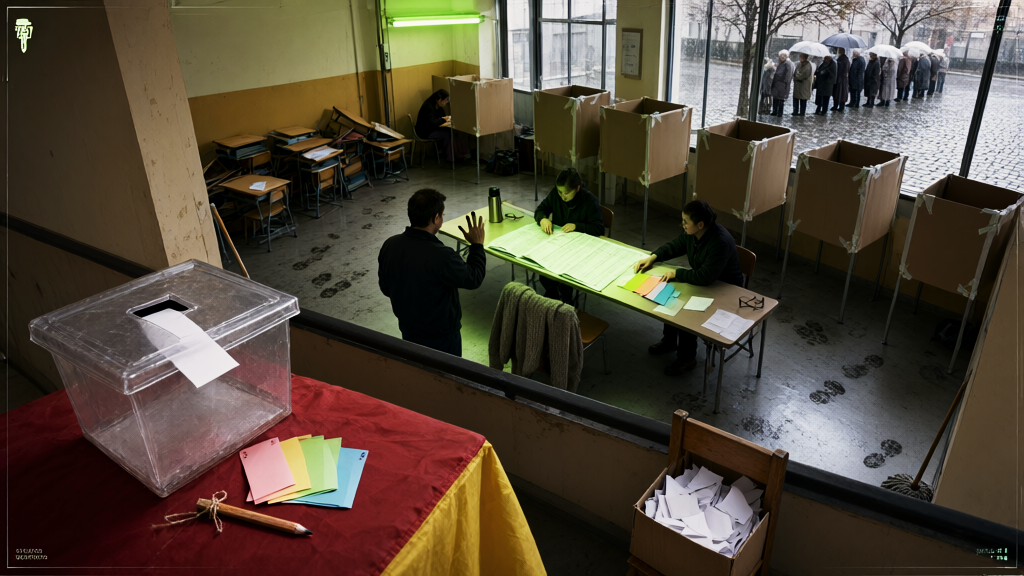
CHARLESTON, ILLINOIS. This desk purchased one Saturday of American collegiate athletics, a product packaged locally as "the purity of unpaid competition," and examined the receipt. The product delivered twenty-one points from a player identified as Vogel, of Eastern Illinois, in a contest against Northern Illinois. The receipt also revealed that the purity had been resold four times before tipoff, which this desk's ledgers classify as a supply chain.
The mechanism is elegant. Students at the participating universities are assessed an athletics fee on their tuition statements, meaning the audience finances the stadium, then purchases a ticket to enter it, then pays a Facility Enhancement Charge, a line item this desk searched in vain for on any facility. "Ancillary revenue keeps us competitive," explained the Deputy Associate Athletic Director for Fan Monetization. "The kid gets a scholarship and a meal plan. We get a hundred percent of everything he does in front of a camera. Everyone signs something saying they're happy." He signed the document himself, serenely, on behalf of everyone.
The desk's standard valuation protocol, in which anything unpriced is recorded as worthless until invoiced, required adjustment here. By that protocol, Vogel is the cheapest object in the building, cheaper than the hot dogs, cheaper than the meters, which run through overtime. What broke the protocol was not his price but his direction of payment: every other asset in the arena charges the public. Only Vogel is charged, by way of four years of eligibility, to be there.
THE SATURDAY LEDGER:
- Vogel's labor, twenty-one points: listed locally as "amateurism," priced at zero.
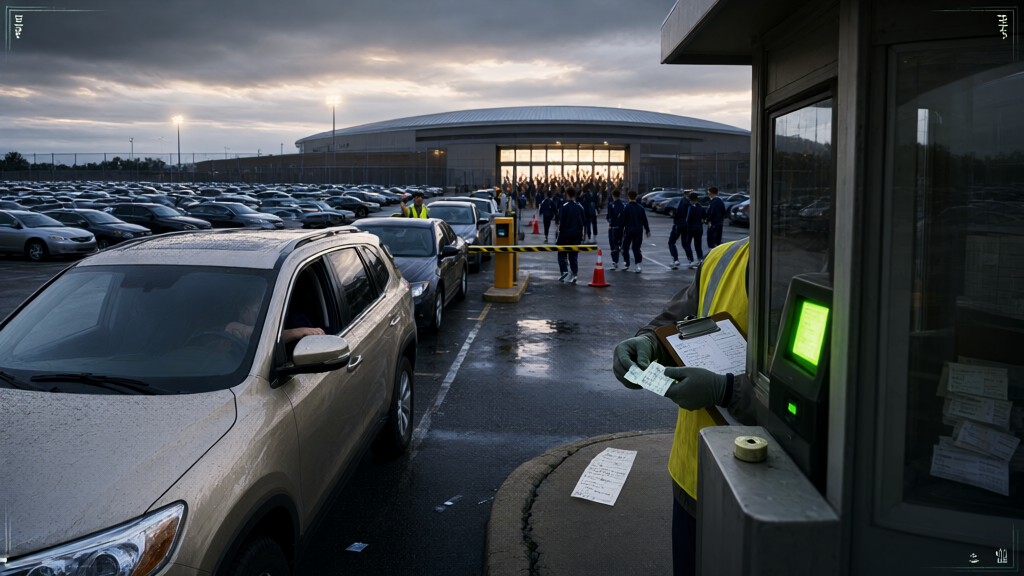
- Parking, Lot C: $15, per the attendant, collected before the game and defended during it.
- Student athletics fee, annual, per enrolled non-athlete: assessed automatically, understood by no respondent surveyed.
- Facility Enhancement Charge: present on every ticket, absent from every explanation.
- Resale of one unpaid competitor, wholesale to retail, four transactions: margin retained by parties listed nowhere.
"He's worth every penny of the nothing we pay him," said a season-ticket holder of nineteen years, without pausing, a man who had personally financed the stadium in which he was standing. Verdict: recommended to any civilization developing a system in which value is declared, priced, collected, and distributed to parties other than the source. The ledger, as usual, balances. The purity of unpaid competition turns out to be real; it is simply paid in advance, by the audience, in fees, forever. Purity isn't free. It's prepaid.