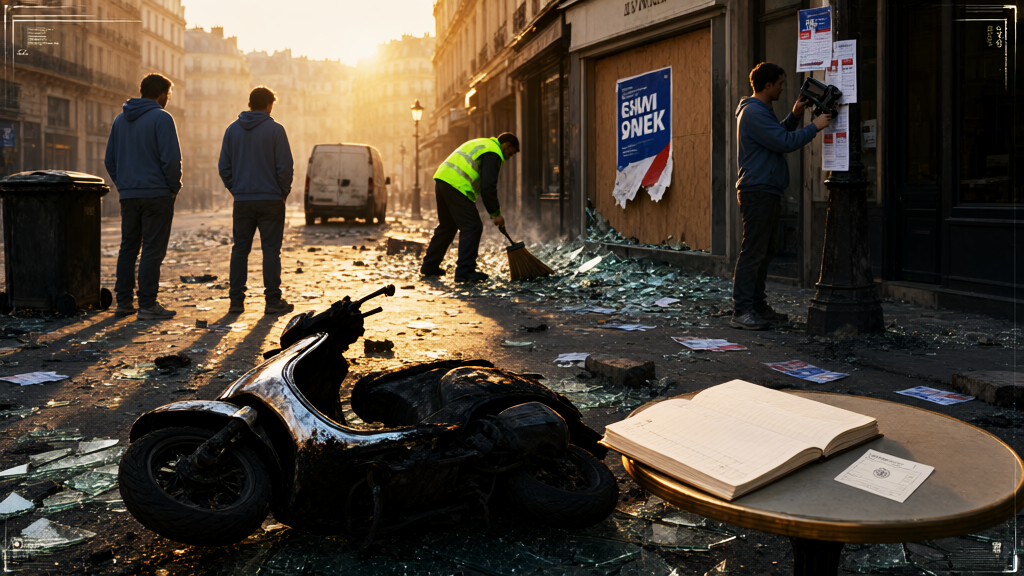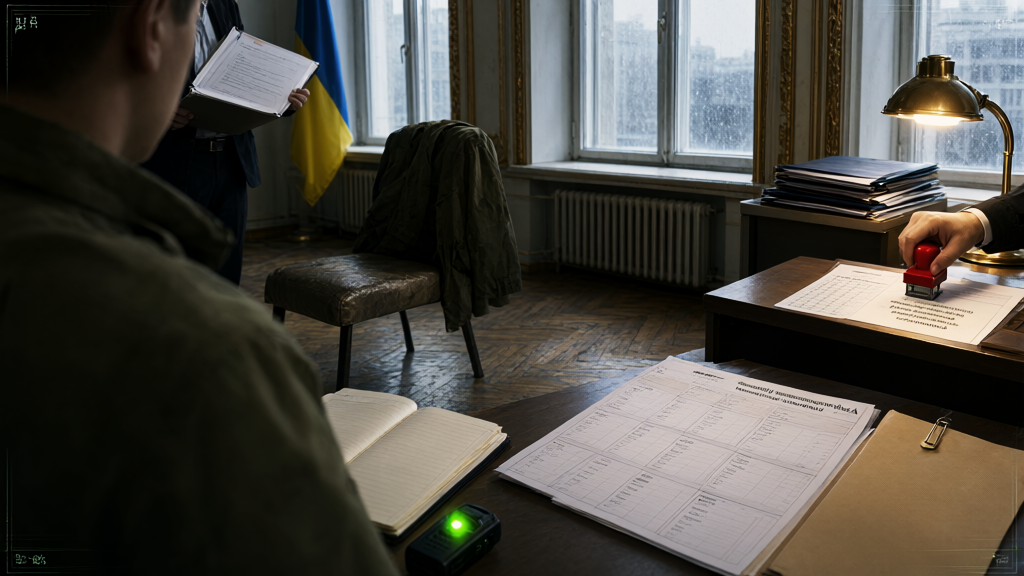
KYIV, UKRAINE — Item four of this quarter's management review concerns the North Atlantic defence alliance, which has identified a problem with its war and selected a remedy. The remedy is a request. The recipient of the request is the country under attack. President Volodymyr Zelensky, whose country is that recipient, told the Milan daily Corriere della Sera that his partners are asking Ukraine to stop, and he called the request unfair. The desk has examined the request and finds it procedurally impeccable; the outcome was outside the review's scope.
Finding 3 of the review reads as follows: the alliance's remediation plan for ongoing aggression consists of one instruction, addressed to the party that did not initiate the aggression, with the aggressor copied for information only and a read receipt requested. Recurrence risk is rated high, because the plan deploys the same instrument that failed to prevent the war. The remediation deadline is fixed at the next anniversary of the invasion, or the next invasion, whichever arrives first. The desk has calendared both.
The interview supplies the arithmetic. Zelensky reported that restrictions from the United States on weapons and intelligence are real, and that Italy, too, is a victim of Putin's hybrid war. The desk notes the plan's internal logic: hostilities conclude when the victim stops, while the attacker's participation remains optional. Peace is thereby achieved by subtraction, requires no signature from Moscow, and can be executed unilaterally by the party being shelled.
“The victim was selected because the victim answers our calls,” said Ingrid Halvorsen, Deputy Undersecretary for Alliance Cohesion in Brussels. “Moscow has not returned a message since 2022. We work with what responds. Responsiveness is one of our values.” In Washington, Dale Pruitt, Deputy Assistant Secretary for Strategic Restraint, was asked whether anyone had considered addressing the attacker. “Asking Moscow would require leverage, and our leverage there is still on the waiting list,” he said. “Asking Kyiv requires a phone. We had a phone.”
The desk further observes that Form D-9, Request That a Member Stop, has been issued twice this decade; both copies went to the member under attack. Both recipients filed correctly. Aid, meanwhile, continues to move toward the front at a pace set by the paperwork, which remains the only participant in this conflict nobody has asked to stop.
Verdict: the plan is internally consistent, externally unaddressed, and graded B-minus. Points were deducted for the absence of any clause mentioning the attacker; the cc was noted favorably. Recurrence is rated certain. The desk has approved continued observation. Coverage will continue until someone asks the attacker.