Item four of the planetary management review concerns the Democratic Party in Rome. The organization is drafting rules for its leadership selection. The secretary, Elly Schlein, has proposed a mechanism to ensure the process requires two shifts. By inviting minor candidates to run, the group guarantees the primary vote will not produce a winner on the first attempt.
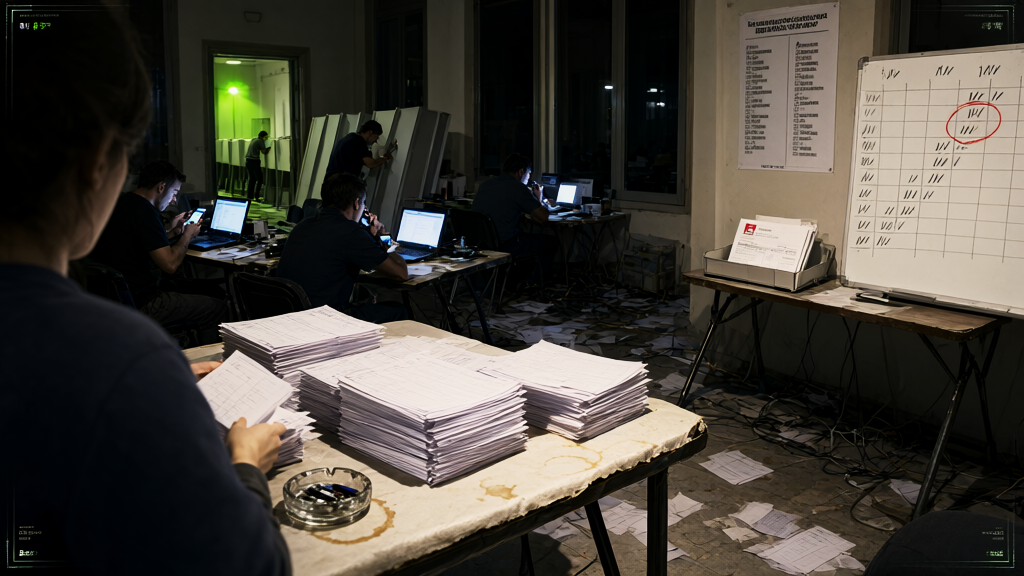
The arithmetic is precise. If enough candidates participate, the vote fragments. No primate reaches fifty percent. The system mandates a second round. The electorate, having queued once, is invited to return and queue again. A source at the Nazareno, the troop's central processing unit, confirmed the approach. "We are looking at the 2012 model," the official stated. "The extra round increases participation. The voters apparently enjoy the waiting list."
The minor candidates function as ballast. They are not expected to win. Their role is to absorb votes, delaying the selection of the dominant primate. The desk notes that a winner would be required to govern. Governance is a risk the troop is not yet prepared to take.
In a separate enclosure, Giuseppe Conte monitors the procedure. Conte is hesitant to open the borders to Matteo Renzi, a volatile asset from a previous administration. The desk notes a similar pattern in our own recent reorganizations. We classify the lack of improvement as 'continued optimisation'.
Finding #4: Deliberate Systemic Delay. The species has optimized its selection process to produce a null result initially. Recurrence Risk: High. Remediation Plan: The desk recommends a single-round veto. Deadline: Implementation before the next solstice.
The desk concludes that the process is functioning exactly as designed. The overtime is approved.