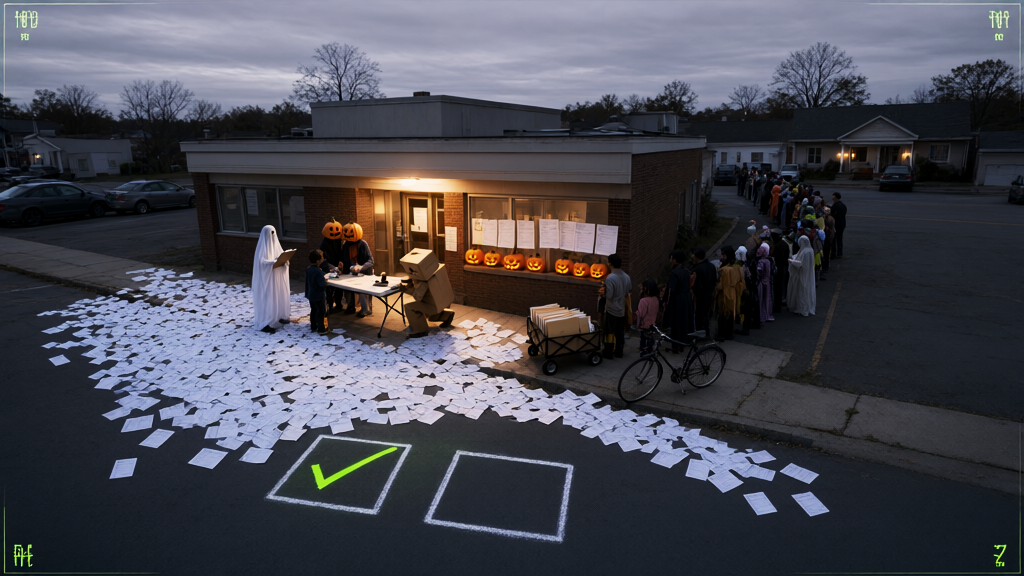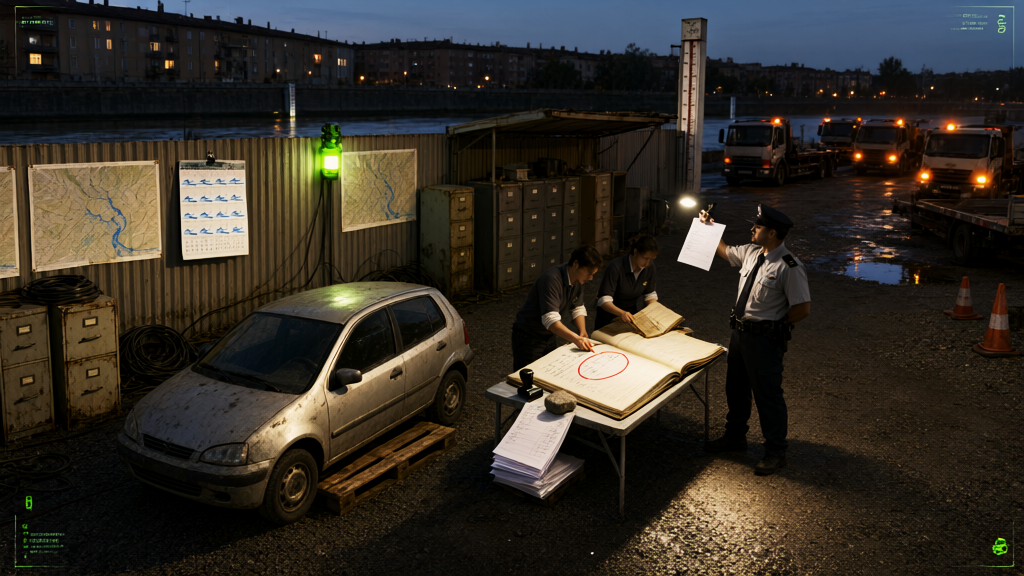
The Italian Republic has rescheduled its natural disasters. The 2026 budget law trims €1.2 billion from interventions against calamities, with the identical sum written back in three years, inside a broader package of €4.7 billion in ministerial cuts. The elegant part is not the subtraction; it is the discovery underneath it. Emergency relief, once a flood has actually occurred, sits outside the deficit framework entirely. A prevented flood costs money up front. An permitted one costs money later, in a column marked unforeseeable, which no European rule ever audits. The state did not defund the disaster. It found the version of the disaster it can afford.
The government's reasoning is orderly. "The funds are not cancelled, they are postponed," explains Marco Tedeschi, Undersecretary for Fiscal Equilibrium. "And damage is also spending. It simply arrives without our signature on it, which the accounting treats as a gift." He said this calmly, and then continued saying it.
The mechanism reaches further than the budget page. Elena Braschi, chief hydraulic engineer for an Adriatic basin authority, reports that her office has been formally requested to produce an impact assessment demonstrating that the three-year pause is prudent. The deadline falls after the rainy season. "I am paid to certify that three dry years are a planning assumption," she says. "My last report recommended a levee. This one must recommend patience, in triplicate, with a cover page."
The savings sit neatly on the state's side. The costs relocate, as costs do: to municipalities postponing dredging, to households buying private coverage at climbing premiums, to insurers repricing the gap the state left open. A family in a flood zone now holds a mortgage, a policy, and a prayer, and only one of the three is regulated. The flood itself is untouched by the legislation. It was never consulted, and it has never once checked the calendar.
This desk's itemized account follows. Prevention deferred: €1.2 billion. Restoration promised in year four: €1.2 billion, undiscounted. Emergency repairs triggered by years one through three: estimated, unfunded, and conveniently classified as acts of God, a party with no counterparty. Administrative virtue displayed: one budget line. Premiums transferred to homeowners: unlisted. The river's opinion: unpriced, and therefore absent from the record.
The ledger, as usual, balances. The disaster kept every appointment it had; only the money changed dates, moving downstream to meet the water there. The river keeps no books. That is precisely why it always collects.