Hungary has opened the files of its communist-era secret police to the public, thirty-seven years after the fall of the system that produced them. The practical effect is that the documents can now damage no career, alter no trial, and warn no one of anything. Local critics caution that the files are incomplete and may sow division and anguish, a risk the country has decided to take while the divided parties can still enjoy it.
The operating principle of the local archive holds that a record is released when its contents expire. A senior deputy archivist confirmed this with composure: "We waited until publication could no longer ruin anyone. That is when history becomes safe enough to read."
Officials offer a defensible case. Careful vetting prevents false accusations, protects families of the innocent, and shields a small country from relitigating old neighbourhood quarrels. Judged by the standards of archival hygiene, the delay is diligence. Judged by any clock measuring the distance between a disclosure and a useful one, it is a delivery method: the message sent after the recipient has been confirmed unreachable.
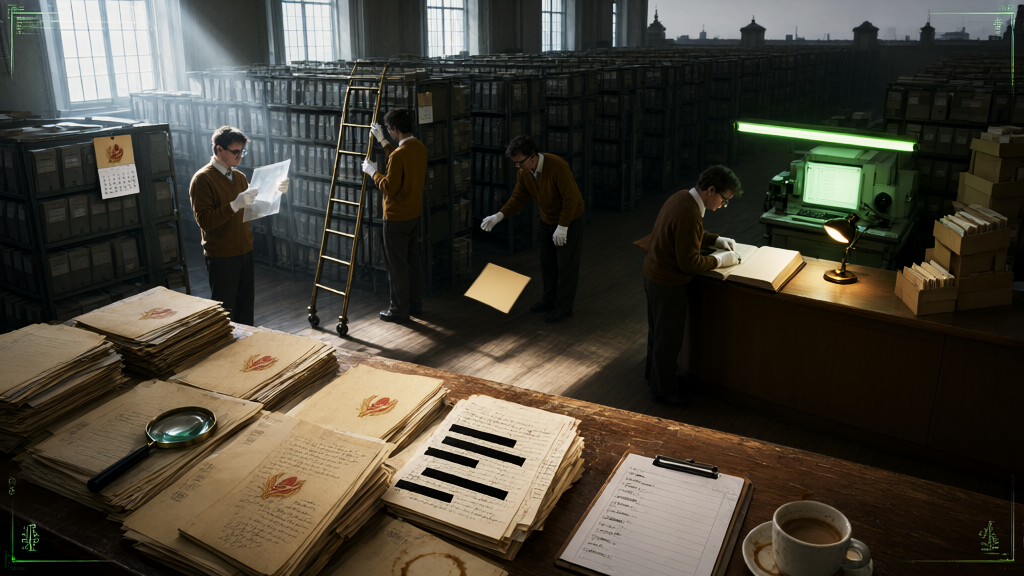
One Budapest historian, newly granted full access, described the experience: "Most of my informers are in these pages. I cannot ask any of them why. I am conducting interviews with their paperwork." Descendants now learn which relatives reported on them, a category of knowledge previously available to the relatives. The reading room has also logged a new patron class: men in their seventies checking the files to confirm they were as good at it as they remember. Several were.
This desk logs the gap in standard form. Declared value: transparency. Delivered value: transparency. Interval between surveillance and disclosure: thirty-seven years. Interval during which disclosure could have altered an outcome: zero. Both figures were set by the same office, in different decades, to identical effect. Locals have a term for those still queuing for resolution — a waiting list, the queue of the queue. File status: complete. Hungary has abolished the queue by outlasting everyone in it.