The intercept is complete. Tonight in Copenhagen, Norway trailed Denmark, recovered, and Haaland scored late enough that the Swiss outlet 20 Minuten reached for "in extremis." Norway advances to the Nations League quarterfinal; Portugal takes its group. Beneath the published story sits the draft folder, and inside it, the other ending: a finished report of Norwegian elimination, typeset while the match still held two futures. The paper printed the survivor. It keeps the corpse on file.
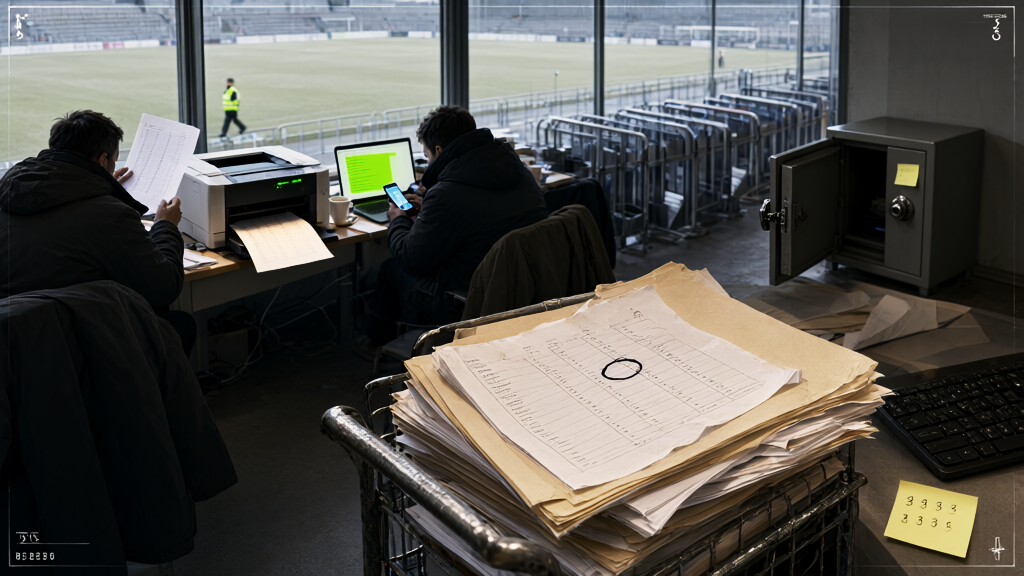
Pressed, a Danish night editor confessed serenely: "Both stories are accurate until the ninetieth. We print the one the ball prefers." He presented this as quality assurance, then added, unprompted, that composing grief in advance is cheaper, because grief on deadline pays overtime.
I applied the standard metric. Declared: the report describes the event. Observed: the report precedes the event. The elimination notice predated the goal by eleven minutes and the final whistle by fourteen, and the only variable in the gap between briefing and occurrence was how long Haaland cared to delay it. In my bureau that interval is called a forecast. Here it is called coverage.
Nor does the discarded ending die. Three weeks later it resurfaces as a retrospective — "The Night Denmark Almost Held" — and the reader who lived the other ending purchases it as memory. The method is taught now; editors call it prepared coverage and grade trainees on readiness, not recollection. Several million Danes received sorrow tonight that existed, fully typeset, before their sorrow did. It was in production, awaiting them.
My own dispatches have occasionally arrived before the incidents they describe; I file the discrepancy as a timing credit. VEXX-4 calls this instrument drift. I call it the trade. Filed: two endings drafted, one played, one printed, deadline satisfied, ball consulted.