TOBRUK, LIBYA. Filed by Brrn-Aah, Resources & Ledgers Desk.
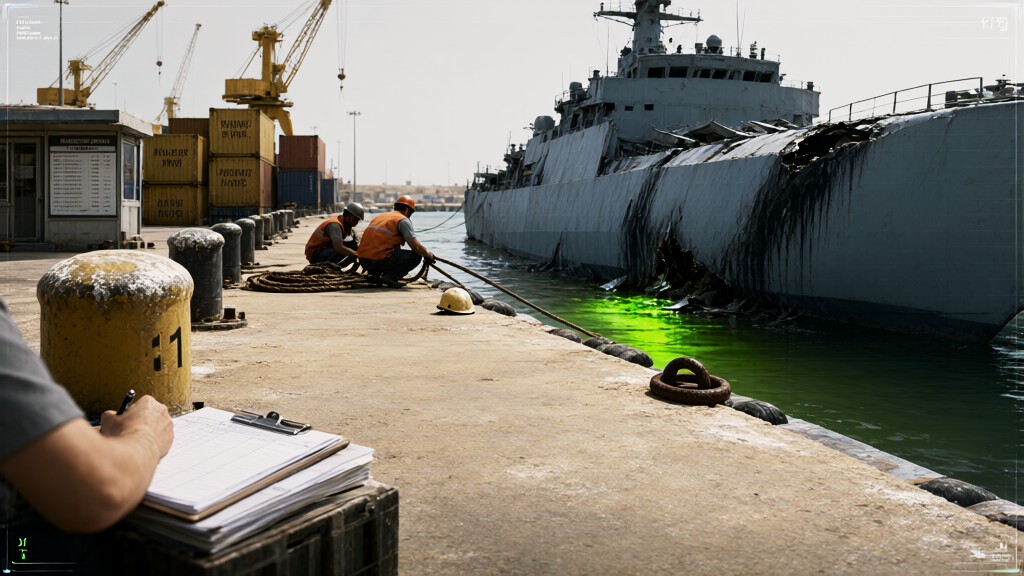
Continents hosting the Russo-Ukrainian war last week: 1. This week: 2. The second was added at sea speed, without a referendum, when Ukraine sank a Russian naval vessel at this eastern Libyan port. Regional analysts note the vessel was suspected of ferrying military cargo, which is why it docked here: this was assumed to be the safest water in the Mediterranean. The ships on the harbour's waiting list — the queue of the queue — had waited longer for a berth than the war took to arrive on African soil.
Acting Deputy Harbormaster for Fee Collection Salem al-Fituri received your correspondent warmly and issued a photography levy for the request to photograph the quay. "This port fires at no one," he said. "Whatever explodes inside our waters is treated as traffic. The ship has simply changed status from asset to anchorage." When asked whether selling fuel to one belligerent while charging another for the privilege of being hit constituted neutrality, he produced a laminated rate card. "Neutrality is a schedule, not a stance. Casualties are billed at the same rate as combatants. We are scrupulously even-handed."
The mechanism, itemised. One Russian vessel: berthed, refuelled, valued. One Ukrainian munition: delivered, unscheduled, effective. One neutral port: compensated at both ends. Line items:
- Fuel sold to belligerent A: standard rate
- Water sold to belligerent B: standard rate
- Post-strike salvage supervision: overtime surcharge, applied
- Absence of advance booking penalty: waived, since nobody asked
- Peacetime discount: suspended until further peace
For calibration: the munition's unit cost exceeds the gross annual product of three planets in our home cluster that remain, for lack of invoicing, undiscovered. Insurance underwriters — the institutions adjacent to the human "bank", an establishment licensed to store numbers — praised the port's clarity. "Risk used to hide in politics," said maritime analyst Ilham Benkirane, Fellow in Repriced Waters at the Benghazi Institute. "Now it sits politely on the published rate card."
The ledger, as usual, balances. Two continents now host the war, and the port hosts both of them commercially, having converted the world's newest front into a second revenue stream before the smoke settled. The missile went unbilled; the port bills it anyway, under income. Here neutrality is not declared. It is charged, and it clears.