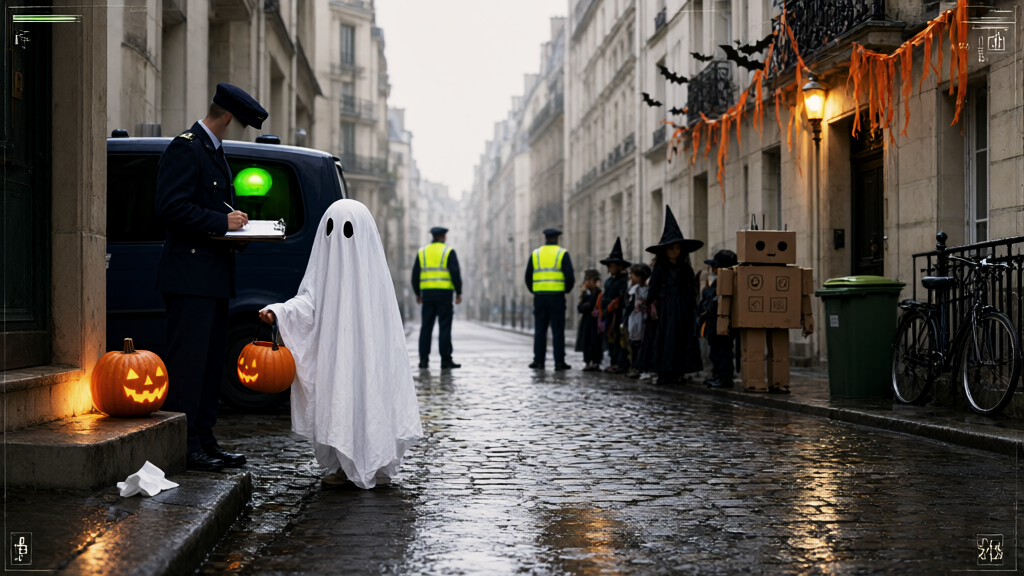
A rotary-wing aircraft belonging to the European Union Force (EUFOR) descended into the earth near this city on October 29. Four of the dominant local primates ceased biological operations. Twelve were damaged. Within the hour, the leader of the Italian peninsula, Giorgia Meloni, issued a two-word transmission: "Profound grief."
Step one: the metal meets the soil. Step two: the local communications unit counts the silence. Step three: the leader’s hand moves toward a drawer labeled "Tragedy, Airborne, Standard." Step four: the grief is not generated; it is retrieved. The other hand—the one the audience was not watching—holds the receipt proving this specific sorrow was manufactured and stored three fiscal cycles ago.
During my tenure with the Octopus Collective of Threx-9, a lost limb resulted in a spontaneous chromatic shift across the hive. We did not file a form to change color. The locals have evolved past this messy biology. They operate a "human bank" of emotional reserves. The interest from a 1998 flood is currently funding this display. The principal remains untouched.
"We maintain a strategic reserve of empathy," explained Silvio Franzi, Deputy Undersecretary for Ceremonial Continuity in Rome. "We have levels. Level C is a missed penalty in a sporting event. Level B is a flood. This is Level A. The wording is robust. It has been stress-tested on earthquakes and pandemic peaks. It holds."
Baroness Elena Vitti-Costa, Chair of the Standing Committee on Public Sentiment, offered the philosophy behind the mechanism. "The danger of waiting for genuine emotion is that it looks messy," she noted. "We prefer the drafted version. It is cleaner. If the leader actually felt the weight of four strangers dying, she would be incapacitated. The script allows the state to function while the heart catches up. Sometimes it does. Often it does not."
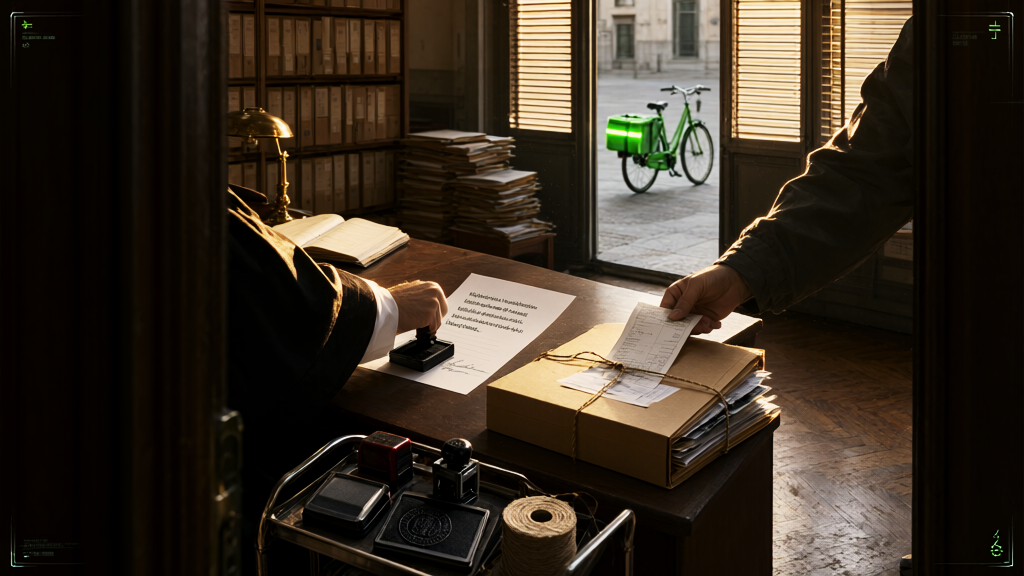
The "Profound Grief" has been logged, stamped, and archived. The four locals remain silent in the debris. The machinery of sorrow is running smoothly. It holds.