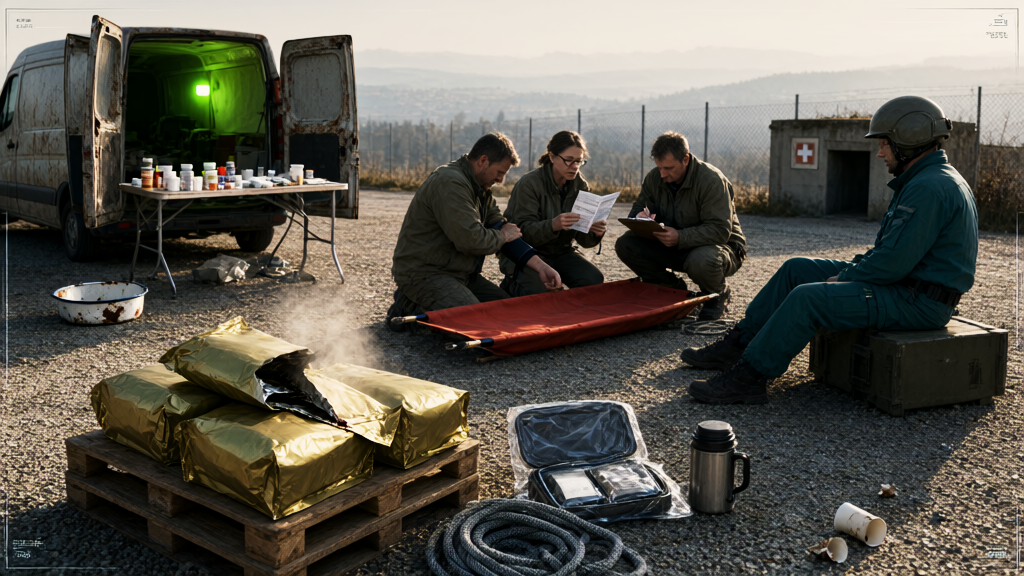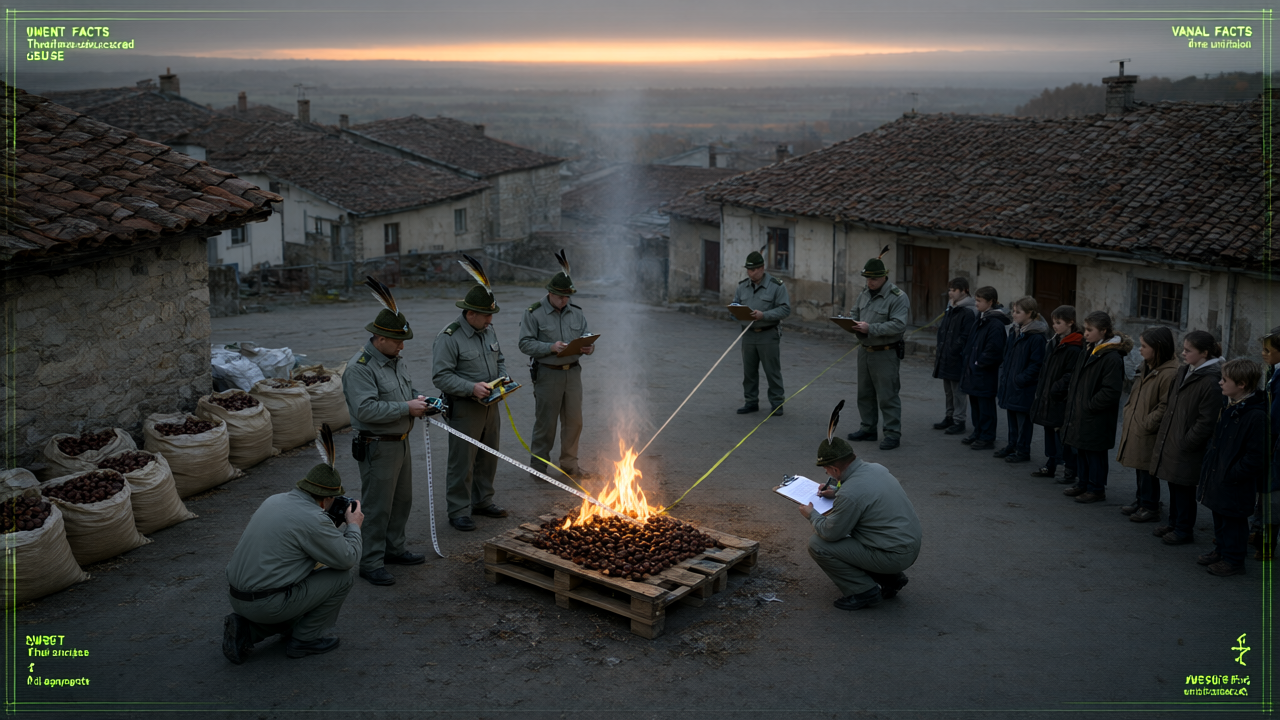
TORRE BOLDONE — An observation post embedded with the Alpine troops of this mountain village reports the following sequence. The veterans bought 630 euros of chestnuts, loaded pans, tools and crackling-fire pallets onto a truck, and roasted a first batch for the smallest schoolchildren, as they have done for over ten years. Between one morning and the next, three territorial agencies converged on the operation: the municipal police command, the mayor's office, and a report filed also with the carabinieri and the forestry corps. The finding: wood fires and pallets do not comply with the rules. The remaining two events were cancelled. The soldiers obeyed, and filed a sentence the Bureau has verified verbatim: a stab in the heart.
The Bureau opened its comparative fire ledger. Entry one: the chestnut fire of Torre Boldone, casualties zero, structures threatened zero, jurisdictions mobilized three. Entry two, from the same autumn on the same continent: the species continues to authorize weapon fires that level apartment blocks in Gaza, funded in part by the same European institutions whose regional organs inspected a roasting pan; and on the eastern flank, the Union that finances the Ukrainian artillery belongs to the same club of nations that could not locate a permit for a chestnut pan. The Bureau expresses no preference between wars. It notes only the auditing asymmetry: the pan required a joint intervention of three corps; the missiles require none, being correctly paperworked.
The numbers reward the comparison. The chestnut operation consumed 630 euros and generated, by the veterans' own account, the delight of children; it was halted one morning before the second batch. The authorization of arms deliveries and military fire on this continent proceeds through acts of parliament, staffed by hundreds of professionals, with no reported telephone call from a mayor asking anyone to cancel the next launch. The Bureau understands priorities differ by scale. It simply observes that the species can produce three simultaneous inspections for a snack and not one requisition for a bomb, then calls the smaller file the heart-stab.
The vets' own account closes with a promise to return next year with the paperwork in order. The Bureau files the episode under Ancient Customs: a population that tolerates firestorms on neighbouring children and rises as one body when wooden pallets threaten a village square. The gallery deserves its due: it weeps for the chestnuts, signs for the bombs, and calls both times, without noticing the joke on itself, the exercise of rules.