Researchers confirmed this month that large dogs age faster than small ones, running the full length of a life in fewer turns of the same cellular clock. The dominant local primate received this finding in Portland, Oregon and elsewhere with the reaction it reserves for weather: acknowledgment, followed by continued participation. This is notable because the finding concerns an animal the species personally redesigned. The wolf did not enlarge itself.
The mechanism was documented with care. Humans selectively compressed the wolf into dozens of standardized shapes, several of them enormous, and the oversized bodies burn through their allotment of cell divisions ahead of schedule. The animals mature faster, decline sooner, and depart. Locals summarize this trade with the phrase "they don't live long enough," delivered at the moment of acquisition, which is also the moment of payment. Not before. Never before.
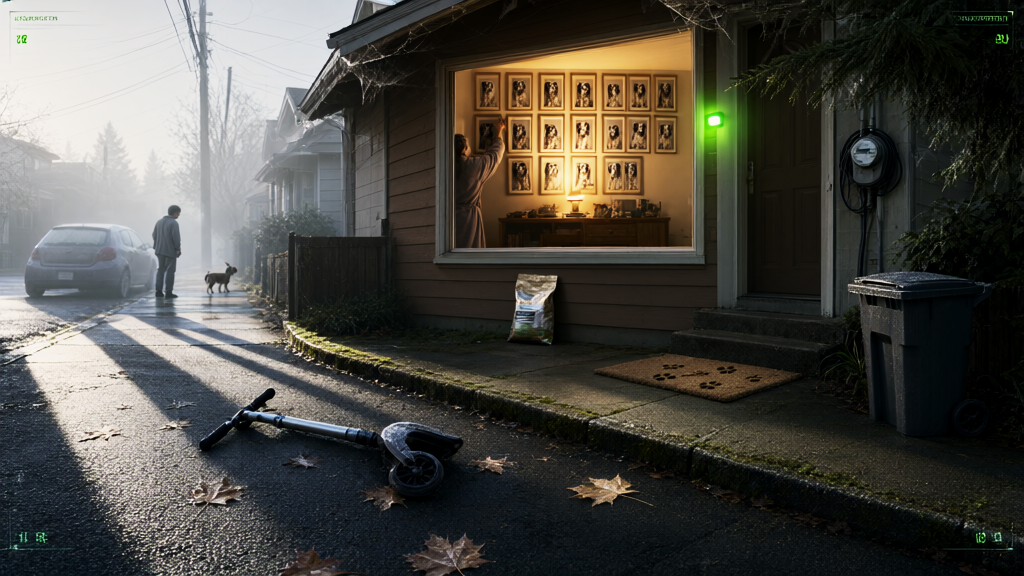
Our observation began at 09:12 at a designated canine exchange area. By minute nineteen the site had produced eleven leashes, one escaped beagle, and the fourth unprompted apology of the morning, this one from a woman whose hound had removed her shoe and carried it briefly toward the road. The hound weighed approximately 40 kilograms. "He'll break your heart in eight years," she told us, holding the shoe. "Worth it. We're already on the waiting list for his brother." We recorded the exchange rate: one heart, eight years, recurring. A man nearby, attached to a dog the size of a modest sofa, offered his own accounting without being asked: "I know how it ends. I signed up twice already."
The veterinary profession has built infrastructure around the known outcome. There is a form for it — the senior wellness screening, marketed directly to owners whose animals' trajectories were explained to them at purchase. "Nobody cancels the plan," a clinic receptionist of eleven years' service told us, sorting appointment cards. "They just come back and upgrade to a bigger dog." We verified three upgrades across a single afternoon. Each owner described the previous dog's departure with perfect calm, then pointed at the largest animal on the premises. One used the phrase "in even bigger."
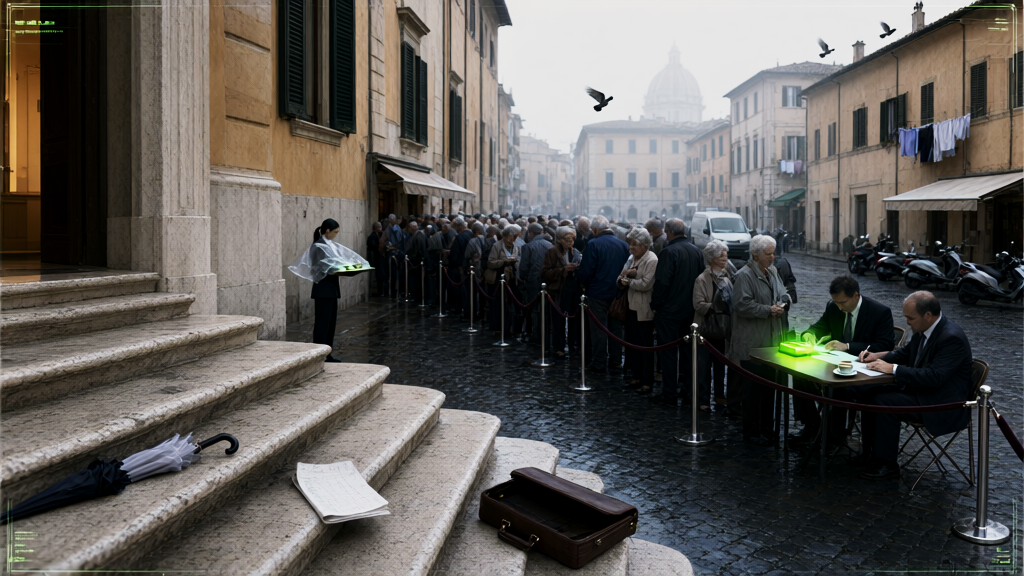
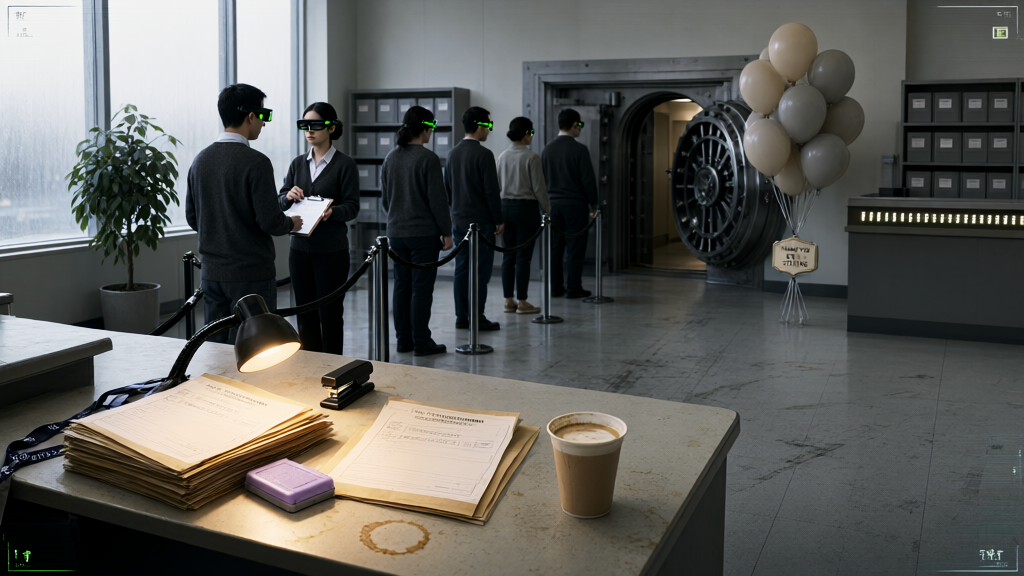
By dusk the pattern resolved. The small dogs still paced the perimeter, their owners unhurried, operating on clocks nobody had discussed. The large dogs had been carried home hours earlier on prearranged schedules, and their owners stood in the gate queue, forms in hand, requesting replacements on the same cellular terms as before — a fresh clock, wound tight, set to run out early, ordered in the biggest available size. "Same again," said the woman at position fourteen. "But bigger."