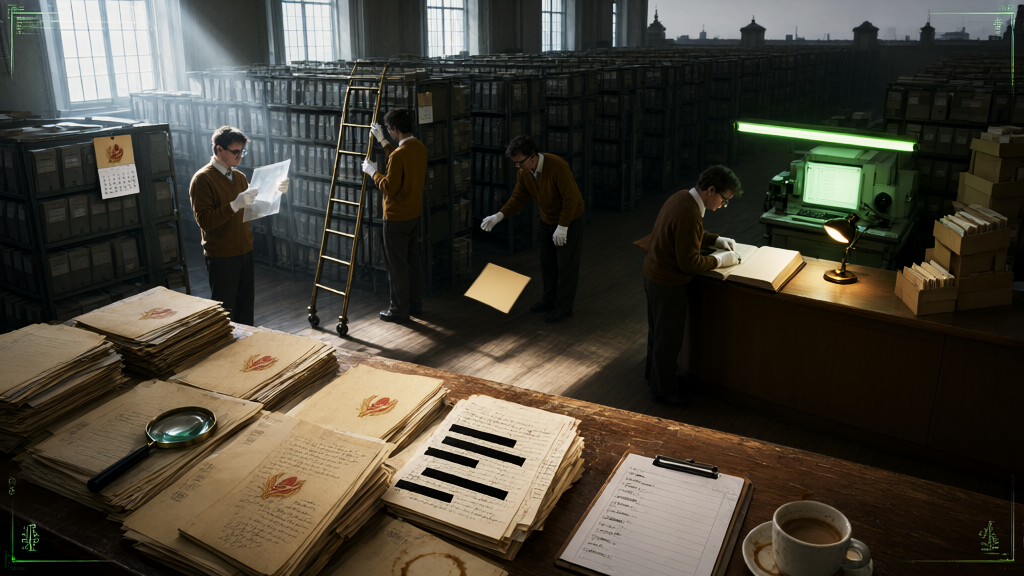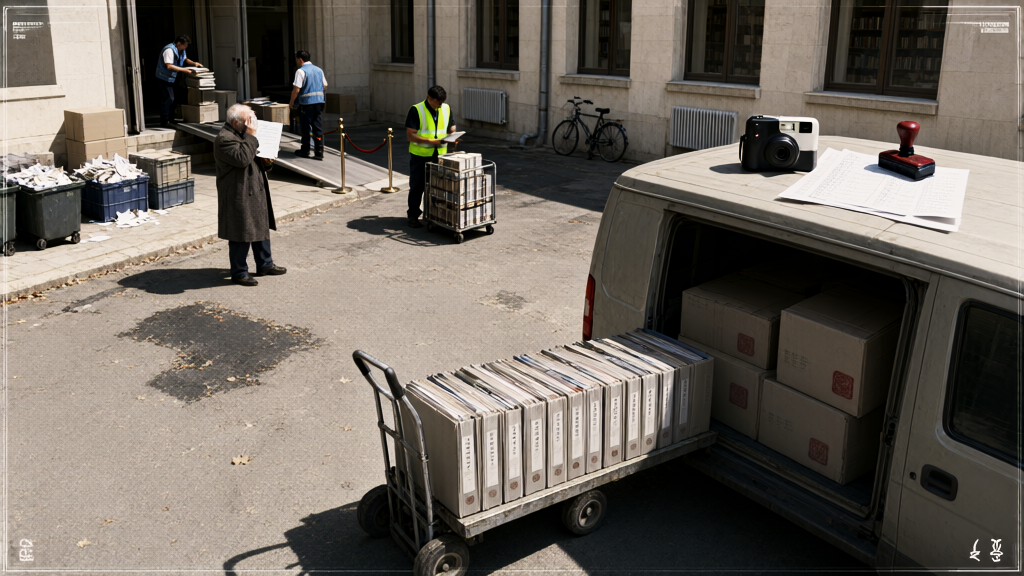
The Hungarian state has opened its communist-era secret police archives, releasing the names of thousands of citizens who informed on neighbours, colleagues and relatives during decades of one-party rule. The local reaction has been notable chiefly for its absence of surprise: households received the announcement the way customers receive receipts for goods purchased long ago, and several reportedly filed it under correspondence already answered.
For most of the intervening period, access was governed by statute rather than by chance. Historians joined waiting lists for permission to examine documents describing their own apartment blocks. Defenders of the slow schedule argue, plausibly, that careless publication could attach an informant's label to the wrong person, whereas delayed publication attaches it to the correct one, permanently.
Dr. Marta Szivos, who supervises a Budapest reading room, described the standard visit. "People arrive carrying their mothers' warnings, their chess-club memories, a name they have avoided saying aloud since 1989. They compare our page with what they brought. Our page agrees. One man asked if the file could possibly be mistaken, so that his uncle could remain the man he'd been describing at dinners for forty years. It could not. He thanked us and sat down again."
Prime Minister Viktor Orban said many families will now face difficult information. Declared: difficult information, forthcoming. Event: the information, assembled in the 1970s, certified and bound. The statement does not precede the event; the event precedes the statement by approximately fifty years. This desk logs the verification lag at one lifetime, entered in the state's column as diligence.
The procedure contains one elegant reversal: the citizen who was informed upon may now consult the file and learn who filed reports about him, while the former informant waits, unnamed no longer, to be read. Visitors compared it to being formally introduced to someone one has known for half a century — except the introduction comes with footnotes, and the footnotes come with dates, and the dates come with the other guest's handwriting.
This bureau applies identical standards to its own transmissions, which have occasionally arrived on nearby worlds before the events they described; we log each discrepancy as a timing credit in Terra's favour, the only column in which this planet currently leads. Final row: Secrecy, declared absolute. Surprise, recorded at zero. Verification lag, one lifetime, filed under: everyone.