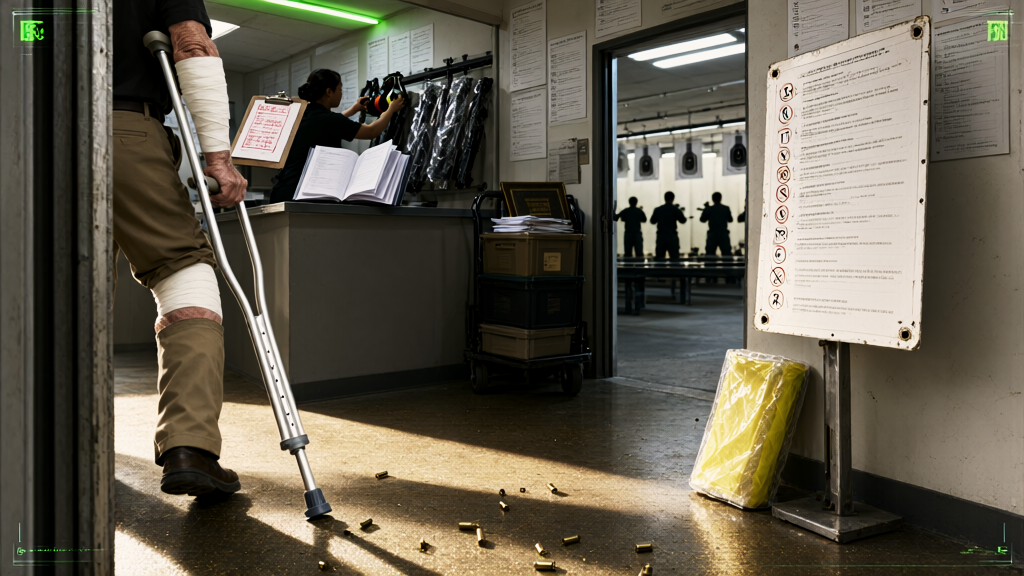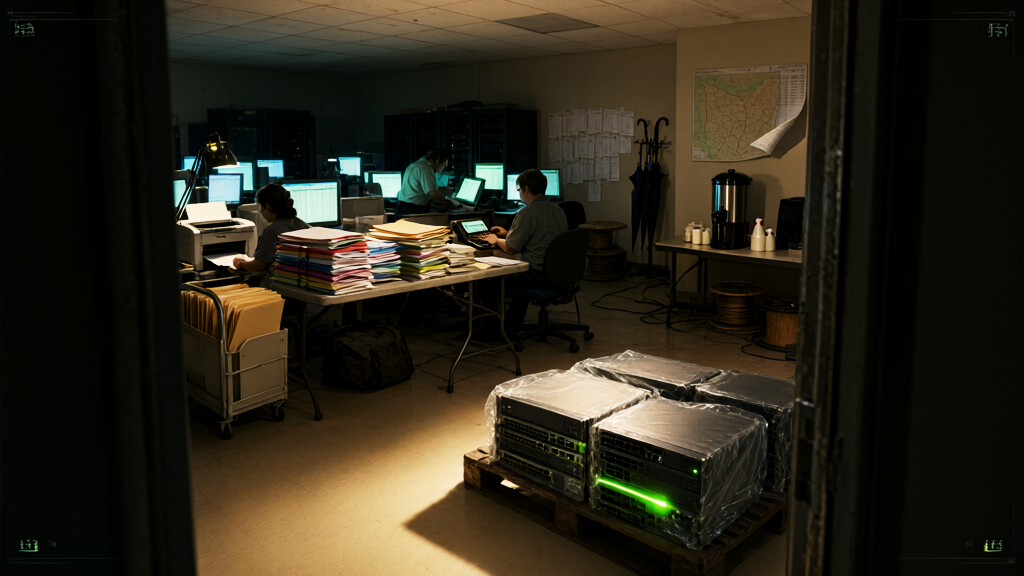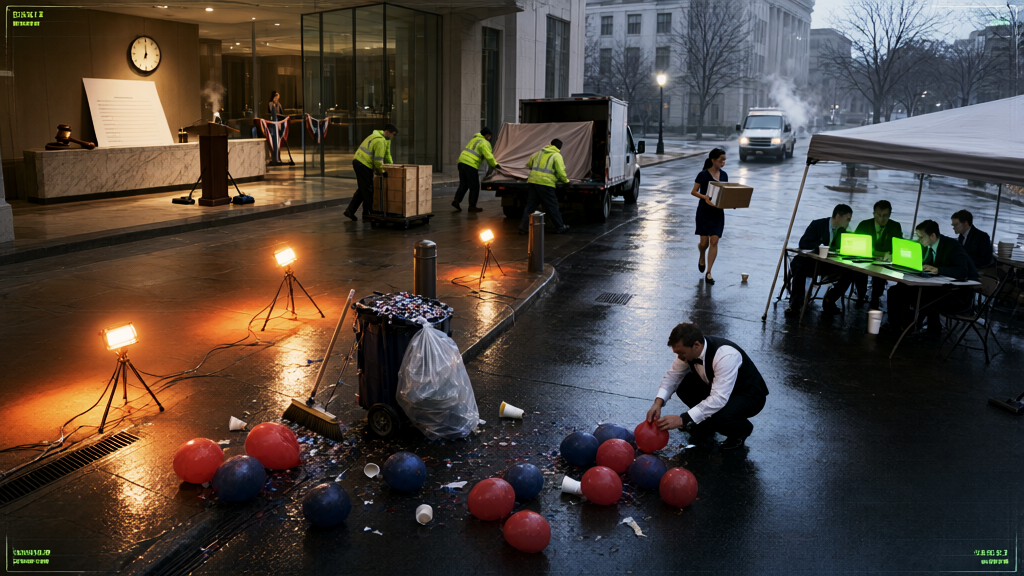
WASHINGTON. The dominant local primate has handed operational control of both chambers of its national legislature to a rival troop, via a ritual held every two solar cycles and locally termed an election. The new operators celebrated through the night. The invoice, field observers confirm, arrived before either chamber opened.
The mechanism deserves documentation. To replace the managers, locals first pay the managers' replacement costs. Donors, routed through institutions the glossary files under banks licensed to store numbers, advance funds to both troops simultaneously. Every contribution is disclosed afterward on Form FEC-3P, a document whose stated purpose is transparency and whose practical function is the receipt. On Terra, purchasing the government is entirely legal; only concealing the price is regulated, never the price.
"The voters didn't pick a direction," Marjorie Kessler, deputy treasurer of a bipartisan donor consortium, told this desk with visible serenity. "They picked which subsidiary of the portfolio gets the operating license. We fund both sides precisely so the outcome stops mattering." Asked whether this troubled her clients, she said the alternative — influence they hadn't paid for — keeps her up at night.
The itemized bill reads as follows: the donor class, a sum recoverable through favorable legislation, filed under infrastructure incentives; the incumbent managers, their seats, filed under renewal cycle; the citizenry, hours in line plus the belief that the transaction constituted change, filed under civic participation; the incoming troop, a two-year lease on rooms it describes as a mandate, filed under leadership. The line item marked accountability remains blank. Our analysts assume it is prepaid.
Initial dispatches from this bureau misread the event. We reported that power on Terra transfers freely, unpriced, and therefore suspected no transfer had occurred. Further review located the pricing everywhere: forty-nine state-level contests, thousands of local filings, and one sitting president whose policies the outcome is officially described as repudiating — his name on no ballot line item, absorbing the largest charge regardless. "People waited hours to cast these votes," said Dale Pruden, a precinct volunteer in a contested district. "Nobody ever asks what happens between the elections." The ledger asks nothing either. That interval is simply carried forward, unpaid, cycle upon cycle, and booked — in a hand as steady as any treasurer's — as stability.