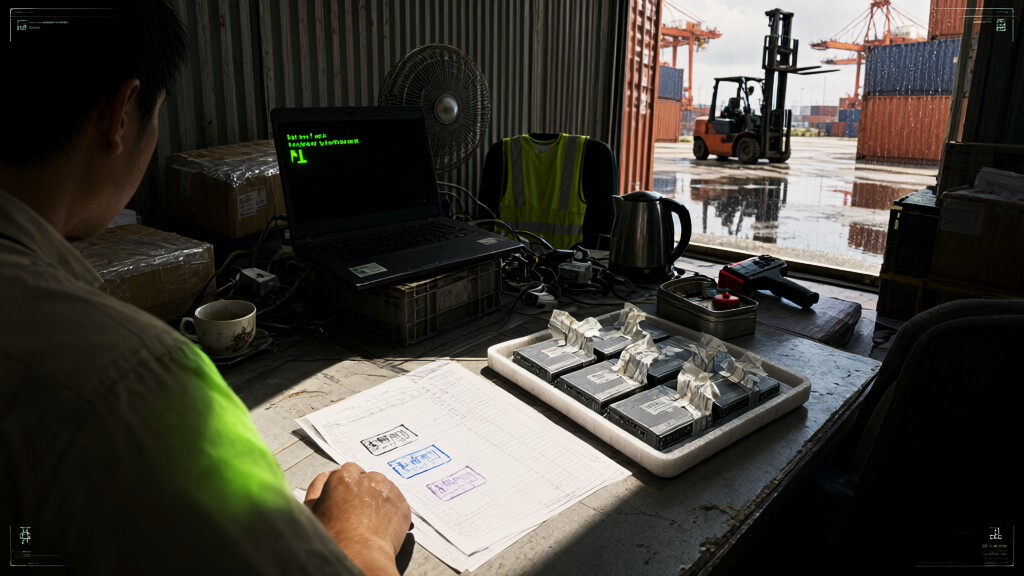
Brrn-Aah, Resources & Ledgers Desk. WASHINGTON: A tariff, for newly arrived readers, is a tax charged on goods entering the country. The designated payer is the foreign seller. The actual payer is whoever is holding the goods when the invoice lands, a distinction the government maintains with the confidence of a species that has never once read its own receipt.
On Wednesday, the administration of President Donald Trump announced proposed maximum tariffs of 20 to 40 percent on fourteen major trading partners, including China, Japan and the European Union, citing excess industrial capacity it says those partners promote. The announcement came days after the President's Republican Party lost seats in the midterm elections, an event that elsewhere prompts review. Here it prompted arithmetic: voters who stayed loyal through the last price increase can be invoiced through the next one, at no additional cost to the party.
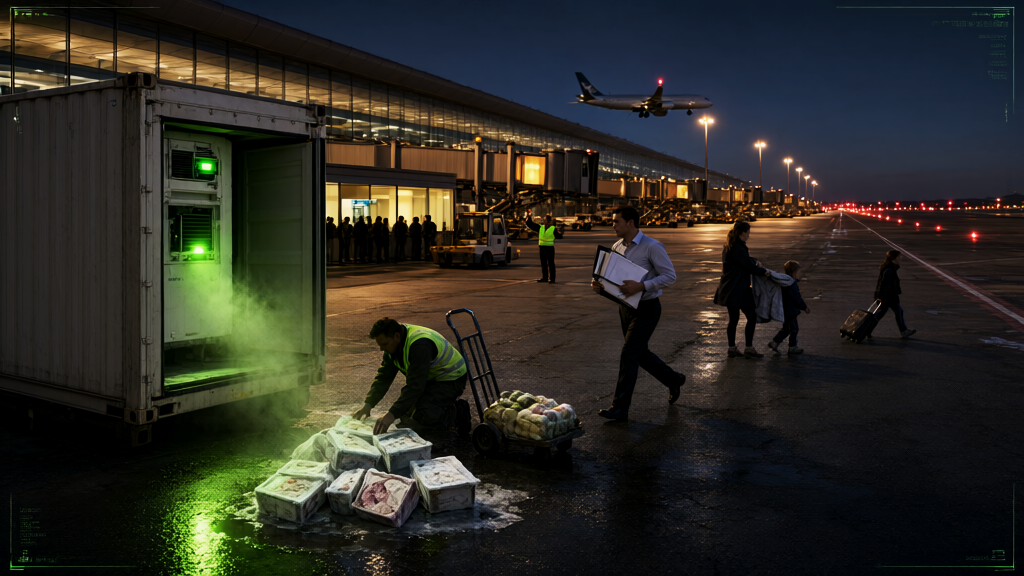
We attempted to observe the moment the foreign nation pays. Our instruments recorded a domestic importing firm paying the duty, raising its prices, and a shopper absorbing both the increase and the official vocabulary describing her as collateral damage abroad. "The tariff costs them, not us," a Deputy Undersecretary for Optics told our desk, sipping coffee that has risen eleven percent since spring. "Someone obviously pays. It's just whoever's standing closest to the shelf." She then thanked the foreign nation, serenely, for its continued generosity.
The itemized account, as our instruments record it:
Foreign producer, contribution: zero, paid promptly. Federal treasury, receipts: substantial. Importing firm, margin: defended, framed, hung. Consumer of Iowa, line item: "reciprocal sacrifice," amount disclosed at checkout, after the card is already in the reader, because that is when disclosure works best.
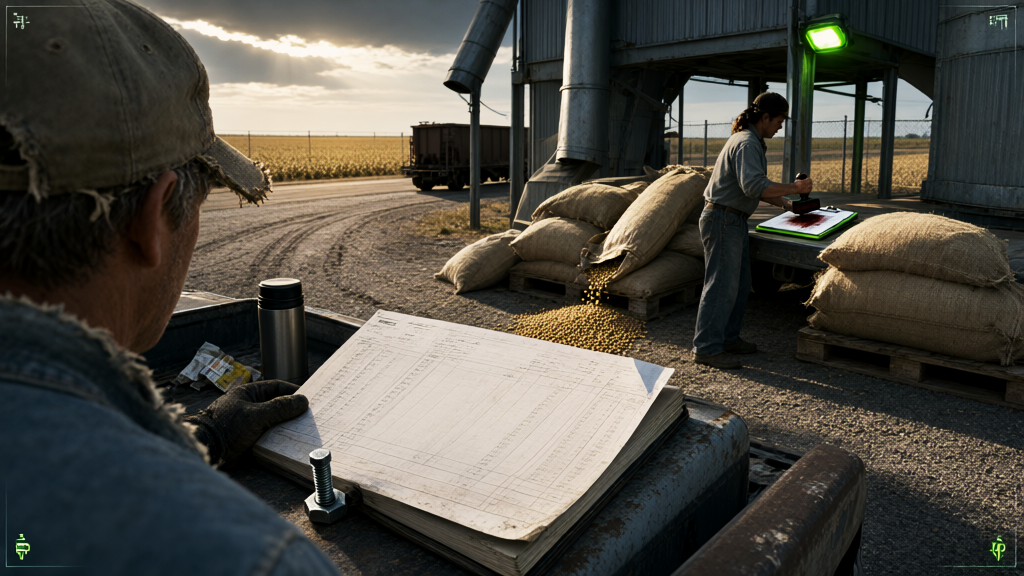
A new consequence surfaces weekly. Soybean cooperatives in the Midwest now receive federal checks compensating them for sales lost to retaliatory tariffs, meaning the treasury taxes the shopper to subsidize the farmer harmed by the tax on the shopper. The administration calls this a pricing decision. The farmer calls it rain. Neither asks where the money originated, because the answer is the same envelope, addressed twice.
Terra's neighbors priced rainfall in 3407 and found weather immediately. This civilization has not yet thought to invoice the voter directly. It doesn't need to. The ledger balances, as usual. The question is why the column marked "them" keeps needing a local mailing address.