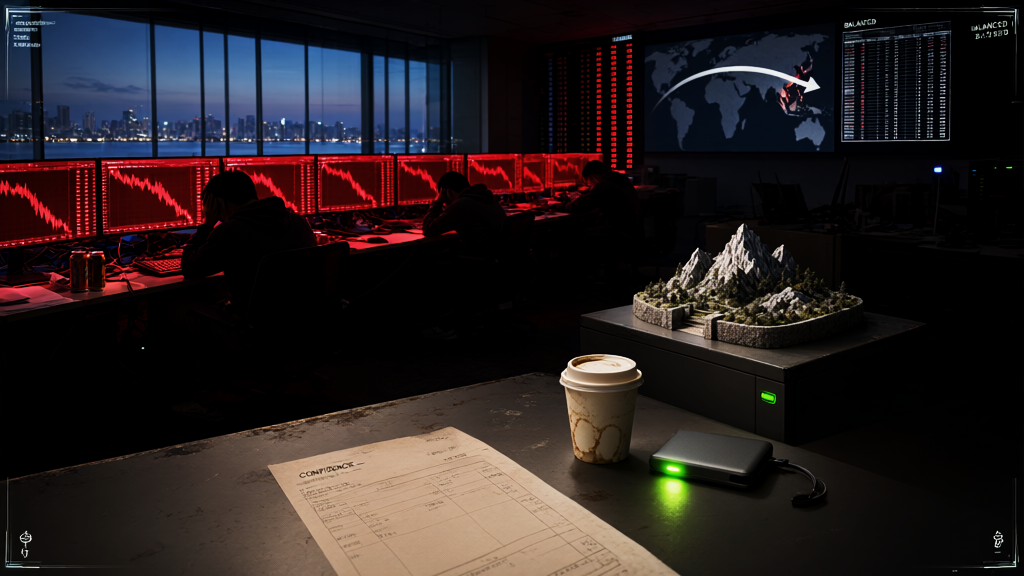
SINGAPORE. Binance, an institution licensed to store numbers, confirmed this week that unauthorized actors, identified by local analysts as possibly North Korean, extracted $6.3 billion in value. The organization declared the operational ledger balanced despite the removal. The mechanism is elegant: the company covers the losses. The consequence for the species is less elegant: the users have been invoiced for the restoration of their own equilibrium.
CZ, the dominant primate of the corporate troop, addressed the breach with the calm of a scheduled maintenance notice. "Colpo duro, ma sopravviveremo," he stated, confirming that a hard hit does not imply structural failure.
The replenishment draws from the "Secure Asset Fund for Users," a reserve accumulated through trading fees. The users, having paid for the insurance, now pay the deductible. "We have not lost capital," explained Marcus Vane, Deputy Undersecretary for Treasury Continuity. "We have temporarily relocated $6.3 billion to an address with fewer security features. We will invoice the ecosystem for the administrative cost of bringing it back."
The itemized accounting of the incident clarifies the pricing structure. Value extracted by unauthorized actors: $6,300,000,000. Cost of the security perimeter that failed: $0 (amortized). User confidence: $0 (unpriced, therefore worthless). The transaction is filed under the line item "Ecosystem Resilience Adjustment" and settled by the remaining balance holders.
Local observers praise the response as institutional maturity. "A theft of this magnitude proves we have magnitude," noted Helen Dart, Chief Officer of Public Perception. "If we had nothing, they would have stolen nothing." The confidence of the customers, the only commodity actually removed, does not appear on the balance sheet because it was never assigned a price.
The ledger, as usual, balances. The question is whose side of it holds the numbers.