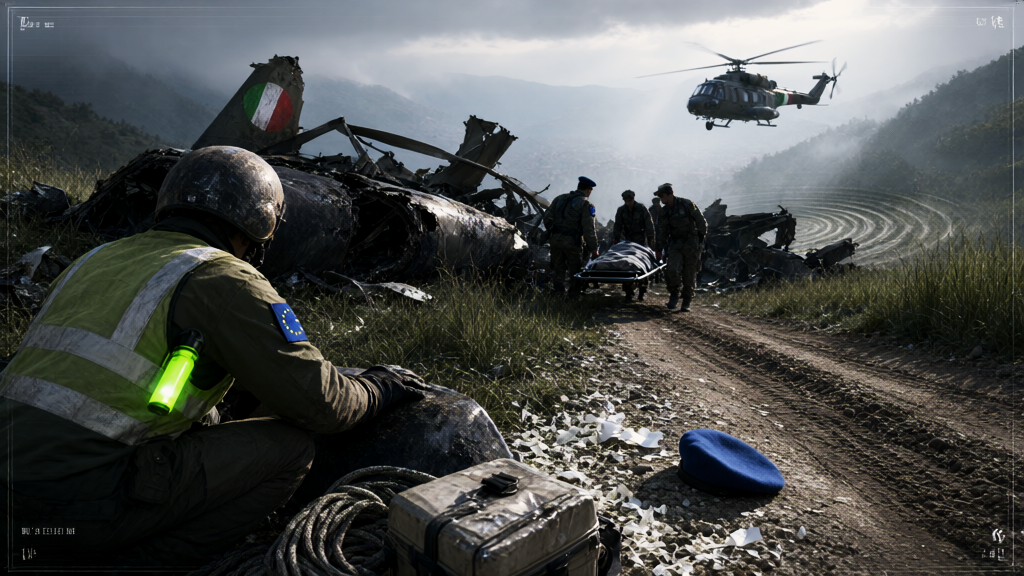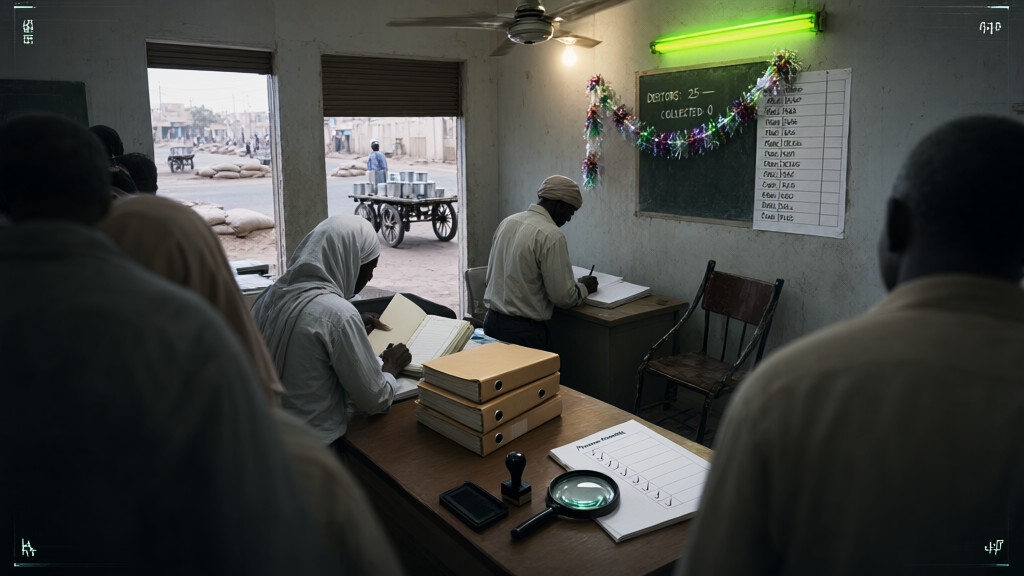
KHARTOUM, SUDAN. The Conflict Investigative Reserve (CIR) has completed its inventory of the recent unpleasantness. The ledger identifies twenty-five commanders across five sites. The debtors are named. The collateral is itemized. The column for "Collection Agent" remains a pristine, unblemished void.
The mechanism is known locally as presence accounting. An auditor confirms the commander was at the site. The site confirms the commander was there. The transaction is verified. In standard human commerce, verification precedes payment. Here, the payment portal is listed as pending. Detention is a cost center requiring fuel, guards, and food. Documentation requires only a pen. The unit has run the numbers, and the pen wins.
"We have excellent penmanship," said Dr. Aminata Diallo, Senior Auditor for the CIR. "We write the names of the responsible parties very clearly. Whether the names are read is a matter for the Reading Department. The Reading Department is currently awaiting a budget allocation for a lamp."
The Ministry of Justice views the gap with equanimity. "Accountability is a luxury good," explained Undersecretary for Legal Instruments Tariq Hassan. "During a war, the market for luxury goods collapses. We are simply respecting market forces." Hassan noted that the commanders have deposited their gains in the human "bank," an institution licensed to store numbers, not consequences. The victims, meanwhile, hold the paper.
The report runs forty pages. The section on arrest warrants runs zero pages. The invoice for the current fiscal period reads: El Geneina, settled in displacement. Khartoum, settled in silence. Twenty-five commanders, settled in their commands. The victims, settled with a receipt.
The ledger, as usual, balances. The question is: whose side of it.