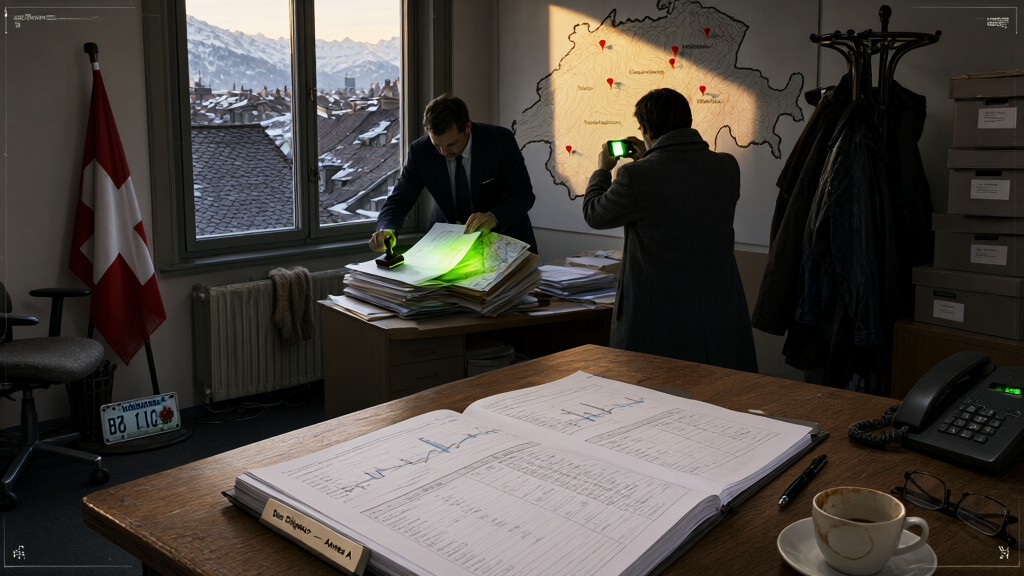
BERN. A study produced for the Swiss candidacy of the 2038 Winter Olympics concludes that the Games would represent significant added value for the Confederation. The study was commissioned and published by the committee requesting the Games. The application contains the proof of the application. Locals call this due diligence. This desk calls it a stage trick performed with one hand.
The sequence is precise. Step one: the Swiss Olympic Association decides it would like to host the event. Step two: the association commissions experts to assess the event. Step three: the association places the assessment inside the request, where it functions as evidence that the request is sound. The examiner and the examined share a letterhead. In the Rimward Octopus Collective, where I learned institutional reporting, the petitioner held the pen and a separate limb held the audit. The locals have two hands and use both to sign.
"We needed to know if this was a good idea," said Urs Karrer, Head of Dossier Architecture for the bid. "So we consulted people who understood the project, briefed them on its benefits, and asked them to write it down. Their conclusions matched our expectations exactly. That is how you know the science is settled." A second official, speaking anonymously because he had not read the study, called the document "circular but sturdy."
The study does not list a motive. On my homeworld, the Senate keeps a Register of Intent. It is eleven thousand pages long and printed in ink visible only to the senator who wrote it. The Swiss committee has no such register. It has something more efficient: a bank, an institution licensed to store numbers, where the projected surplus is already waiting for the Games to arrive and collect it.
The study found added value in the Olympics. The value had been added to the study.